The story behind
Lamento, according to DoReSol
The first time I heard Lamento, I was hooked by that bassline that seems to breathe. It’s no ordinary bass: it’s Ron Carter, who in those two minutes and forty-seven seconds builds a foundation that sounds like pure nostalgia, as if the instrument were telling a story in silence. The main melody, simple yet profound, floats over those chords that Jobim crafted with the same elegance an architect uses when drawing blueprints. There are no unnecessary adornments, just that clean line that repeats again and again, like a lament that never quite lets go.
They recorded it in 1967 at Rudy van Gelder’s studios in New York, with a group of musicians who had just come from playing jazz on the West Coast. Claus Ogerman, the arranger, gave it that ensemble feel that sounds like an echo chamber: Urbie Green and Jimmy Cleveland’s trombones, Jerome Richardson’s flute, and the strings intertwining effortlessly. Jobim had already moved on from his dream of becoming an architect to dedicate himself to music, and in this piece, you can hear how he blended the samba of his Rio with the jazz he listened to from Gerry Mulligan and Chet Baker. The recording wasn’t meant to sound perfect: it was meant to sound alive, as if every note had been captured in the exact moment it was written. The result was an album that reached number 114 on the Billboard 200 and fifth on the Jazz Albums, but beyond the numbers, what remained was that feeling that sometimes, less is so much more.
From album

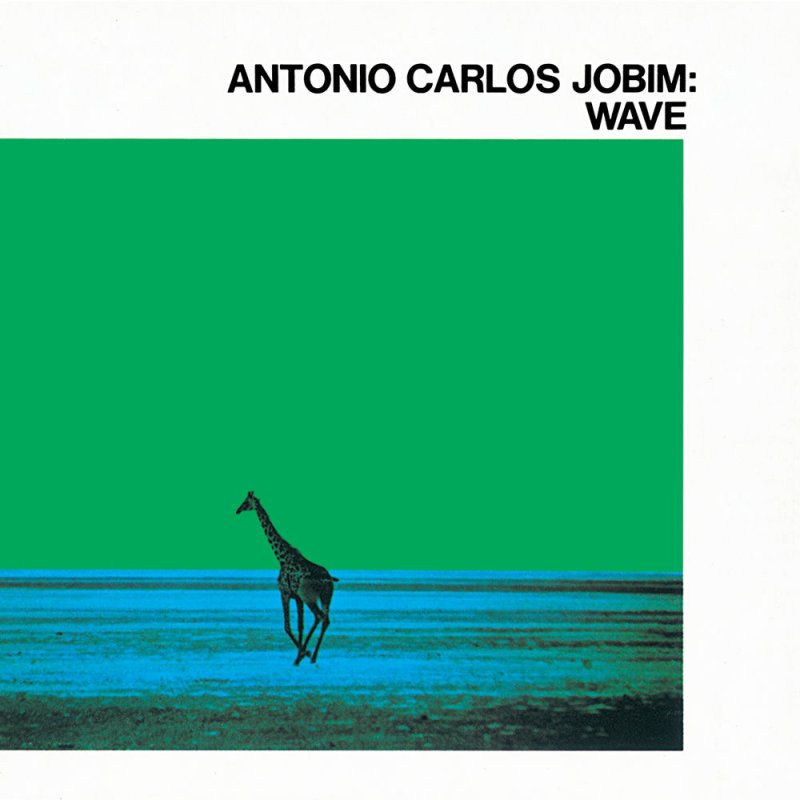
Wave
Antonio Carlos Jobim · 1967 · Track 8
Details
Credits
Music Antonio Carlos Jobim