The story behind
La isla bonita, according to DoReSol
La Isla Bonita is that moment when Madonna crosses the Atlantic without leaving her studio. The first time you hear that rhythm of cuban drums intertwined with a Spanish guitar, you know it’s not just another pop song: it’s a journey. The track doesn’t describe a real place, but rather San Pedro, an invented island that shines brighter in the imagination than on any map. There are maracas that sound like a street party, harmonicas mimicking the Caribbean breeze, and a bassline that anchors itself like a ship’s mooring. What’s most fascinating is how this sound, which today feels like pure tropical celebration, was a bold experiment in 1986: Madonna had never blended pop with Latin influences in one of her own songs before. The result is a melody that doesn’t ask permission to be danced to, even if you don’t understand the words.
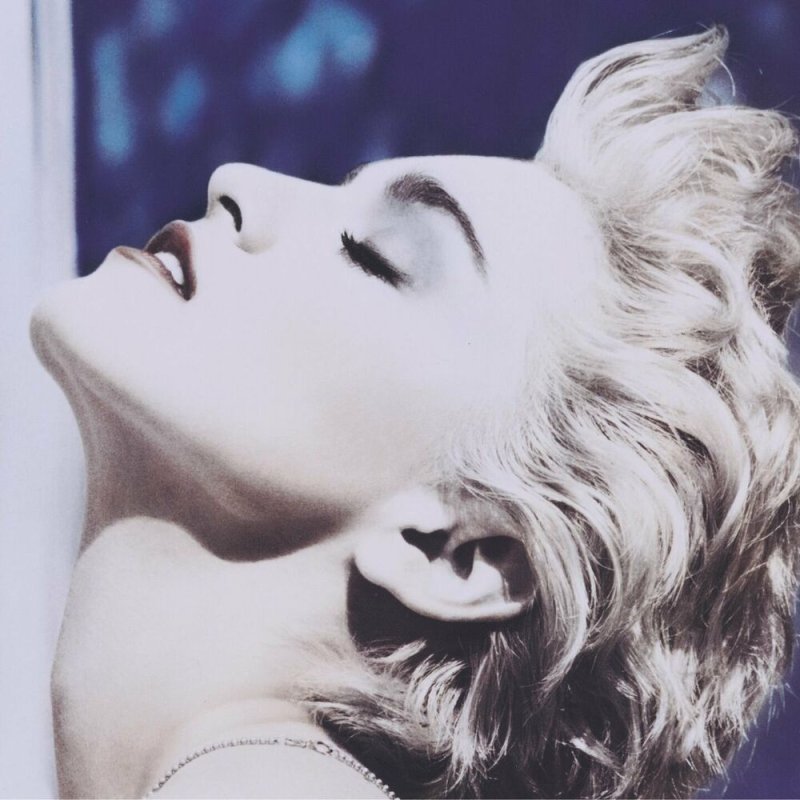
They recorded it between 1985 and 1986 as part of True Blue, the album where Madonna sought to shed the rebellious image of her early years and aim for something more refined. For the first time, she took charge of producing every track alongside Patrick Leonard, her then-collaborator, and the outcome was an album that sounded mature without losing its freshness. La Isla Bonita wasn’t an instant hit: released as the fifth and final single from the album in 1987, it ended up being one of those songs that quietly infiltrates culture. The video, with its images of sunshine, sand, and women dancing in vibrant outfits, cemented the idea that this fictional island was a haven for anyone needing to escape. And while Madonna always called it a tribute to Latino beauty, the song became so much more: an unexpected bridge between two musical worlds that no one thought would work.
From album

True Blue
Madonna · 1986 · Track 7
Details
Credits
Music Madonna, Patrick Leonard, Bruce Gaitsch