The story behind
L’ultima luna, according to DoReSol
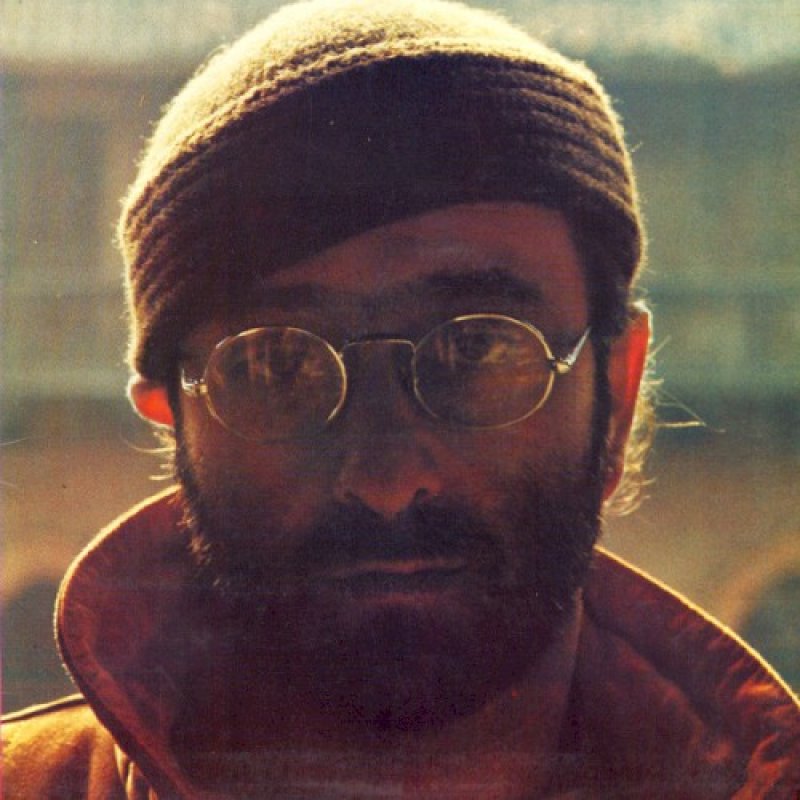
There are songs that sound like farewells even before the first measure ends. L’ultima luna is one of them: it begins with a piano that drags on like a sigh, lingering in the air, while Lucio Dalla's voice weaves through phrases that seem handwritten on crumpled paper. It’s not a conventional ballad, but a piece that unfolds with deceptive calm, as if each note had to be considered twice before falling. The melody plays with unexpected silences, those gaps where the listener lingers a second too long, wondering whether what comes next will be just as fragile or shatter into pieces. The saxophone, which appears in the bridges, doesn’t accompany: it deliberately goes off-key, as if the musician had left the sheet music in their coat pocket. In other hands, this could sound like a mistake, but here it becomes the hallmark of a style that doesn’t seek to polish the edges, but lets them breathe.
They recorded it in 1979 at the Stone Castle Studios in Carimate, a place that was already a haven for musicians fleeing the noise of the cities. Dalla had just come off three albums written with poet Roberto Roversi, but on this record — his eighth — he decided to fly solo, without a literary umbrella. The song lasts five minutes and forty-three seconds, long enough for it to glide between jazz, Italian soul, and that indefinable something only he could blend: the melancholy of someone who knows the moon he sings about won’t rise the same way again. It wasn’t an album meant to sell millions, but to make listeners feel as though someone were speaking to them from the other side of a fogged-up window. And it worked: alongside Come è profondo il mare and Dalla, this trio of albums marked a turning point in his work, as if he had finally found a way for his songs to sound like truth rather than stylistic exercises.
From album

Lucio Dalla
Lucio Dalla · 1979 · Track 1
Details
Credits
Lyrics Lucio Dalla
Music Lucio Dalla