Chords in progress
We have not analyzed this song audio yet. Once it is ready, you will see the chord player synced with the video.
The story behind
Jamming, according to DoReSol
When you dive into Jamming, you encounter a vibe of celebration and unity that is felt immediately. The word "jamming" in Jamaican patois evokes precisely that: a gathering, a party. It's an invitation to set worries aside and share a moment. The song, originally released in 1977 as part of the album Exodus, became a recurring theme on adult alternative radio, keeping that sense of community alive. It even had a re-release a decade later, paying tribute to Bob Marley, and resonated strongly again, even managing to stay on the charts in the Netherlands for four weeks.
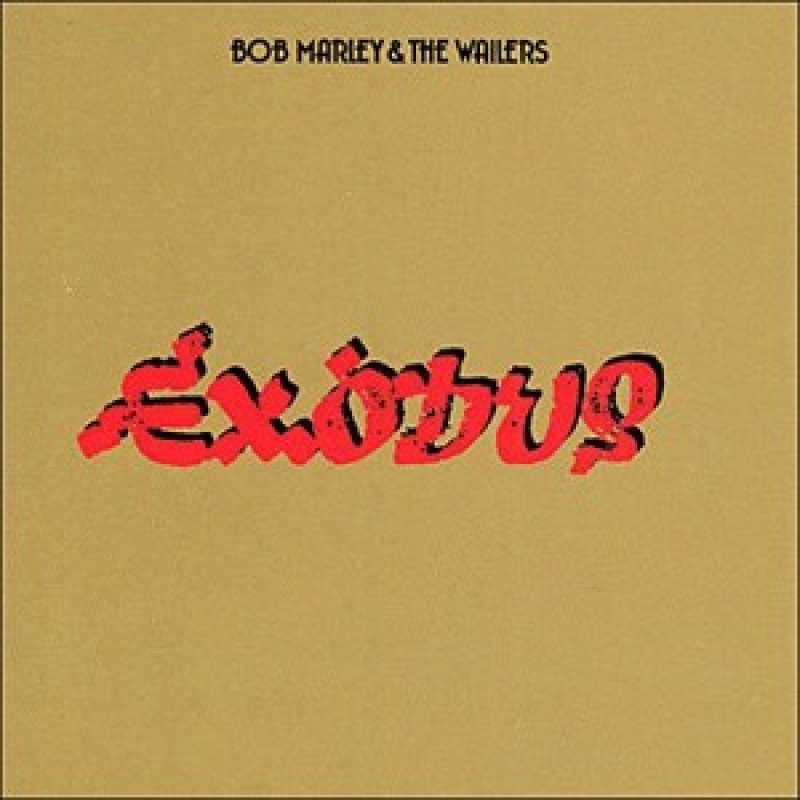
The recording of Jamming took place between 1976 and 1977, a period that also saw the birth of the rest of the album Exodus. This album, the ninth studio album by Bob Marley & The Wailers, was released through Island Records and was characterized by a relaxed sound, with prominent bass lines and a focus on piano, trumpet, and guitar. Unlike previous works, Exodus explored themes of change, religious politics, and sexuality, dividing its content into two parts: one focused on politics and the other on love and faith. It's interesting to note that the recording of Jamming occurred shortly after an incident in December 1976, where Bob Marley survived an assassination attempt but managed to recover. The song's lyrics include the powerful phrase "No bullet could stop us now," a reflection of that resilience. The band that brought this track to life, in addition to Bob Marley as composer and lead vocalist, included Carlton Barrett on drums and Aston "Family Man" Barrett on bass, key figures in the evolution of The Wailers' sound.
From album

Exodus
Bob Marley & The Wailers · 1977 · Track 6
Details
Credits
Lyrics Bob Marley
Music Bob Marley