The story behind
So Much Things to Say, according to DoReSol
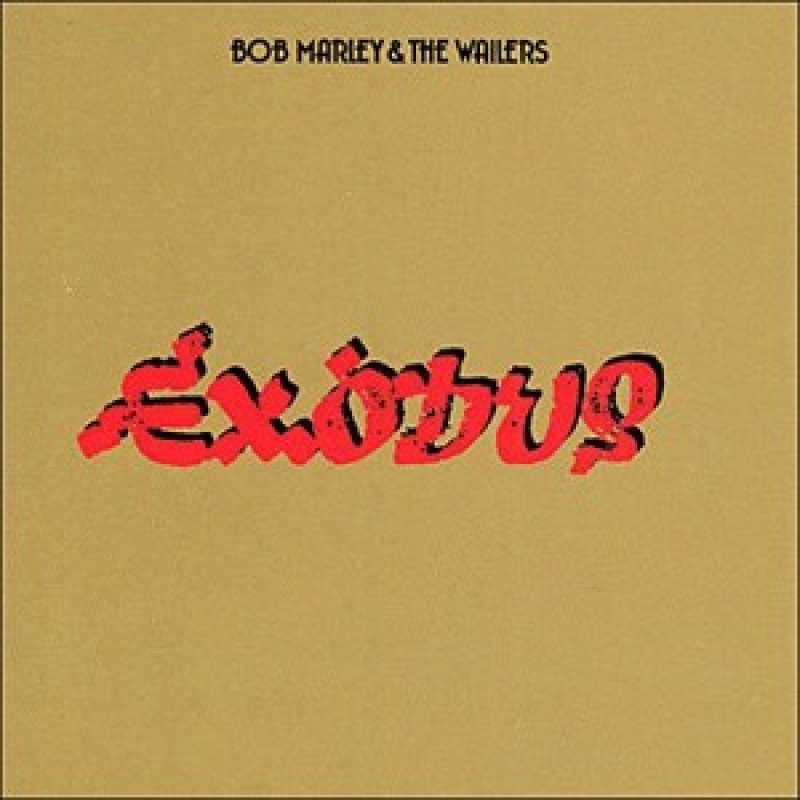
The song So Much Things to Say, part of the album Exodus by Bob Marley & The Wailers, was released in June 1977, following Rastaman Vibration from the previous year. This record is distinguished by a more relaxed production, with marked bass rhythms and a prominence of piano, trumpet, and guitar. Unlike previous works, Exodus moves away from complex narratives to focus on themes such as change, religious politics, and sexuality, dividing its content into two parts: one focused on spiritual politics and the other on love and faith. The recording featured Terry Barham, Guy Bidmead, and Karl Pitterson as engineers, while the mixing was handled by Aston “Family Man” Barrett, Chris Blackwell, and Karl Pitterson, with production by Bob Marley & The Wailers. The duration of this piece is 3:08.
Following an assassination attempt suffered by Bob Marley on December 3, 1976, where he was shot in the chest and arm, he decided to leave Jamaica. He went into exile in London, the place where Exodus was recorded. This album was a notable success, achieving gold certifications in the United States, United Kingdom, and Canada, and consolidating Marley's international fame. Exodus, which is Marley's tenth studio album since his debut with The Wailing Wailers in 1965 (including the live album Live! from 1975), contains more songs that appear on the compilation Legend than any of his other works. In 2017, the album was reissued and remastered to celebrate its 40th anniversary. The band, already established as Bob Marley & The Wailers since 1974 after the departure of Peter Tosh and Bunny Wailer, included brothers Carlton (drums) and Aston "Family Man" Barrett (bass), who had previously collaborated with The Upsetters. The lineup included Bob Marley on guitar and vocals, the Wailers Band as the backing group, and the I Threes (Rita Marley, Judy Mowatt, and Marcia Griffiths) on vocal harmonies.
From album

Exodus
Bob Marley & The Wailers · 1977 · Track 2
Details
Credits
Lyrics Bob Marley
Music Bob Marley