The story behind
It Can Happen, according to DoReSol
There is a moment in It Can Happen where the rhythm stops and the dialogue from a play bursts in between the guitars. It’s not a common device in 80s progressive rock, but there it is, right before the solo, like an unexpected nod. The lines of Oscar Wilde’s character —“Come on, old chap, you’d better sort it out once and for all”— blend with the band’s sound without losing their elegance, as if someone had decided that music could also be literature without ceasing to be music. The rest of the song, however, does not stop: it kicks off with a sharp drum hit that sets the pace of a melody that moves forward leisurely but relentlessly, dragging the listener into a territory where the commercial and the experimental shake hands.
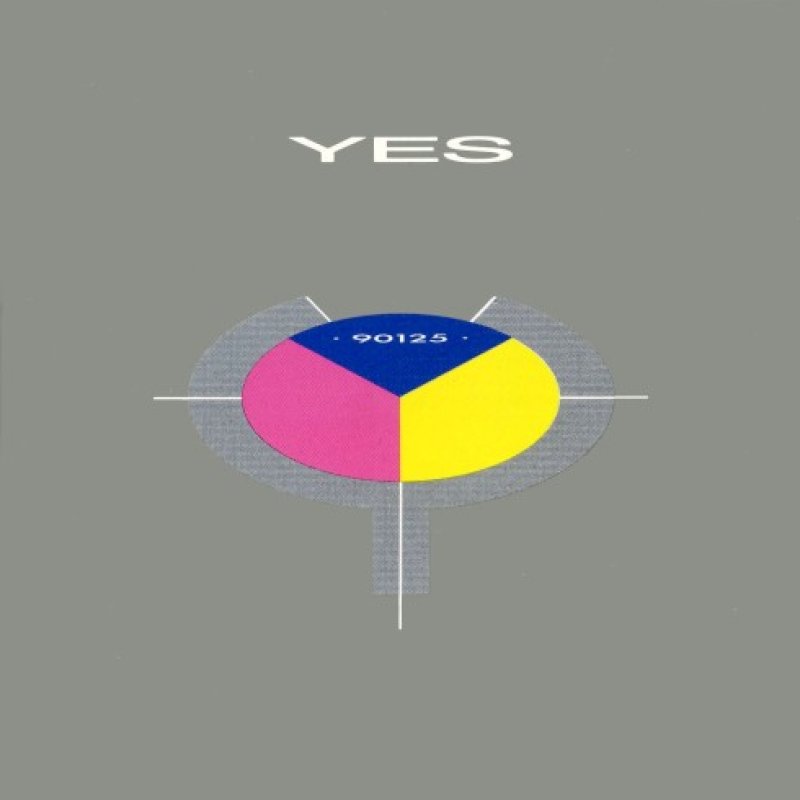
The song was born at a transitional moment for Yes. After their 1981 split, bassist Chris Squire and drummer Alan White teamed up with South African guitarist Trevor Rabin to form Cinema, a project aimed at renewing the band’s sound. It was there that Squire recorded an early version of It Can Happen, with his voice as the lead. But fate had other plans: when Jon Anderson —the original vocalist of Yes— returned to the group, he not only added his lyrics to the song but gave it a definitive twist. The track ended up on 90125, the album that marked the band’s triumphant comeback and sent them back to the top of the charts. The single released in 1984 reached number 51 on the Billboard Hot 100 and number 5 on the Billboard Mainstream Rock, proving they could sound fresh without losing their essence. The production by Trevor Horn —with that polished bass and the keyboards floating above the rhythmic foundation— sealed the sound that would make them recognizable throughout that decade.
From album

90125
Yes · 1983 · Track 3
Details