The story behind
Favela, according to DoReSol
Favela doesn’t sound like just any song. It begins with a piano moving between long chords and a melody that seems to sketch the landscape of a hill at sunset. Jobim’s voice enters softly, almost whispering, and in less than a minute you’re already there, in the middle of that neighborhood where houses crowd together on the slope. It’s not an epic or dramatic piece; it’s a sonic postcard, intimate, capturing life in those places without slipping into folklore. The arrangement is minimalist: acoustic guitar, double bass, and subtle percussion, as if each instrument breathes to the rhythm of someone walking those streets.
The song was born in the 1960s, when Jobim had already spent years blending samba with the jazz he heard in recordings by Gerry Mulligan or Chet Baker. Recorded in New York, but with the soul of Rio de Janeiro clinging to every note, Favela is one of those tracks that needs no grand orchestration to convey something profound. The composer had mentioned before the influence of Claude Debussy on his harmonies, and it shows here: there’s a delicacy in the chord changes that recalls those impressionist soundscapes. The lyrics, in Portuguese, don’t explain or moralize; they simply *are*, like the smoke rising between the houses. It lasted three minutes and eighteen seconds, but in that time it achieved something rare: making a word as loaded as “favela” sound light, almost poetic.
From album

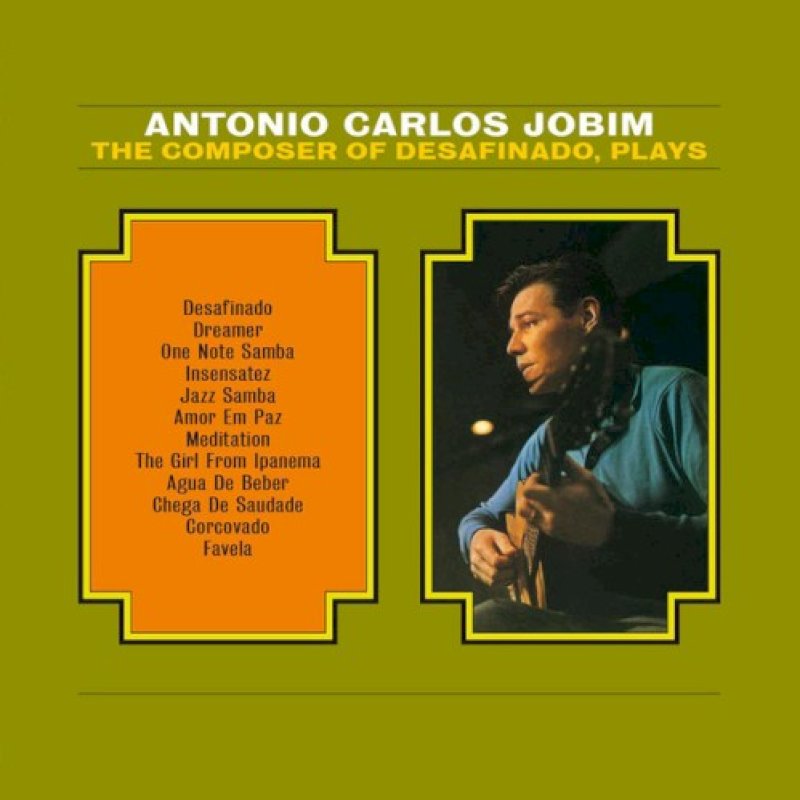
The Composer of Desafinado, Plays
Antonio Carlos Jobim · 1963 · Track 5
Details