The story behind
Duel of the Jester and the Tyrant, Parts I & II, according to DoReSol
This eleven-minute-plus piece is not just a long track: it is a sonic duel where two characters challenge each other on the same stage. Duel of the Jester and the Tyrant divides its time between playful irony and authoritative intensity, as if Chick Corea’s piano and Al Di Meola’s guitar were improvising a medieval battle with electric instruments. The contrast is no accident: Corea always sought to make music tell stories, and here that idea becomes literal. The opening section, with its crystalline arpeggios, sounds like a musical joke unraveling, while the second movement — denser, with meter changes that force the musicians to stay alert — seems like the response of an unyielding ruler. What’s curious is that, despite its epic title, the song has no lyrics: all the drama unfolds in the instruments, as if the jester and the tyrant were communicating in a wordless language.
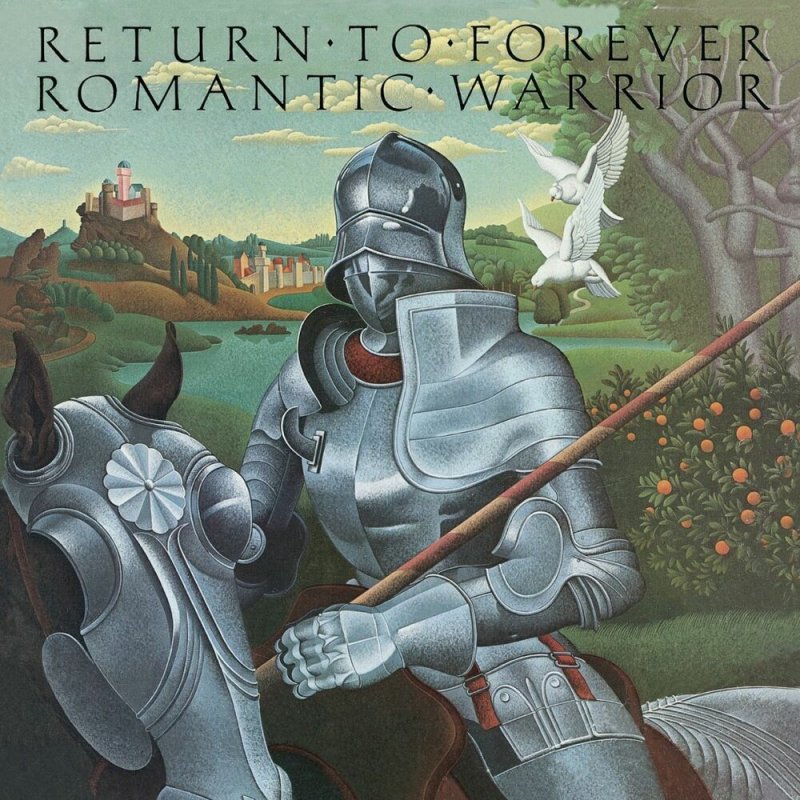
They recorded it in February 1976 at Caribou Ranch, a studio hidden in the mountains of Nederland, Colorado, where the mountain chill and the valley echoes likely helped create that clean yet layered sound. It was Return to Forever’s first album for Columbia Records after four releases on Polydor, and curiously, they decided to remove the credit “featuring Chick Corea” from the front cover — as if the band, now established, preferred the focus to be on the collective work. The entire album, Romantic Warrior, sold enough to be certified Gold in the United States, but this particular track stands out for how it balances technique with narrative: Corea and his team (Stanley Clarke on bass, Lenny White on drums, and Di Meola on guitar) used the recording to explore a territory between jazz rock and what would later be called medieval prog rock, something they had already been sketching since 1973 with Hymn of the Seventh Galaxy. The result is a work that sounds like a pitched battle, but also like a game of chess where every move counts.
From album

Romantic Warrior
Return to Forever · 1976 · Track 6
Details
Credits
Music Chick Corea