Chords in progress
We have not analyzed this song audio yet. Once it is ready, you will see the chord player synced with the video.
The story behind
Crossroads Blues, according to DoReSol
When you encounter Crossroads Blues, it’s easy to think of legends and dark pacts. The story surrounding this piece by Robert Johnson tells of a crossroads, a mythical place where, according to Southern U.S. folklore, deals with the Devil can be sealed. While the lyrics don’t mention Satan directly, the idea of a pact for exceptional musical talent has become woven into the song’s lore, making it part of Johnson’s own myth. What’s interesting is that, despite this aura, Johnson’s performance relies on slide guitar technique, a hallmark of the Delta blues style, and he sings solo, accompanied only by his acoustic guitar.
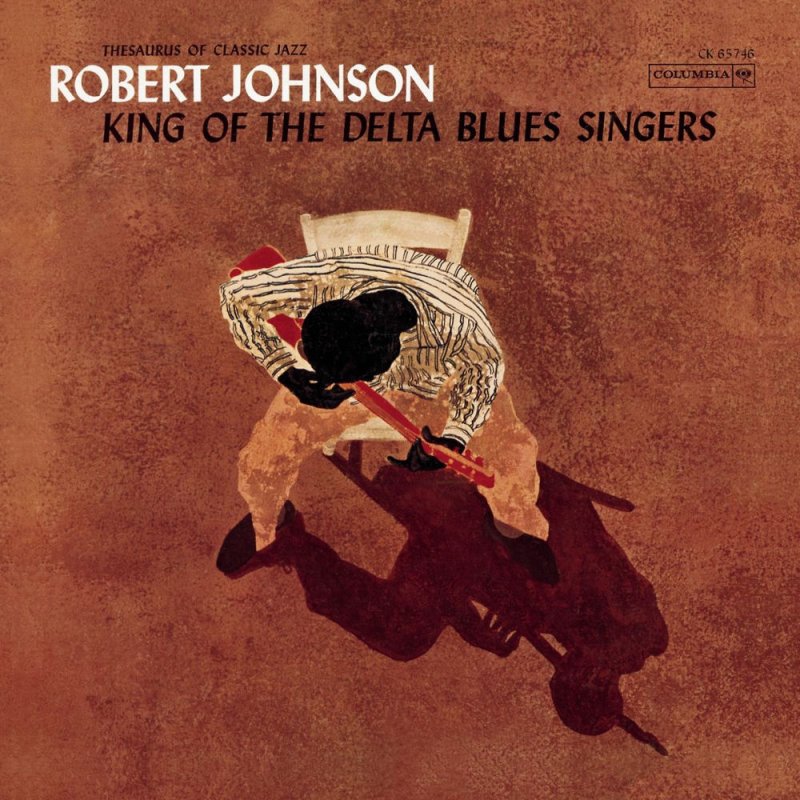
It’s believed that Crossroads Blues was already part of Robert Johnson’s repertoire by 1932. On November 27, 1936, he recorded two versions of the song. One was released as a single the following year and was heard mainly in the Mississippi Delta region. The other, which would reach a wider audience, was included in the compilation album King of the Delta Blues Singers, published in 1961. This record, released during the U.S. folk music revival, became a landmark, and in 2020, Rolling Stone ranked it at number 374 on its list of the 500 greatest albums of all time. The album compiles sixteen mono recordings, many of them captured during two sessions in 1936 and 1937.
Over time, many musicians have covered Crossroads Blues, often with electric guitars and in band format. The versions by Elmore James in 1954 and between 1960 and 1961 are considered early standout renditions. Later, in 1968, Eric Clapton and the British group Cream popularized it under the title Crossroads on their album Wheels of Fire. Their energetic blues-rock style version became one of their most famous tracks and inspired countless subsequent covers. Both Johnson’s original recordings and Cream’s have been recognized for their significance, cementing Crossroads Blues as a blues standard and a key work for rock musicians influenced by the genre. Clapton’s connection to the song is so strong that he named his rehabilitation center in Antigua, Crossroads Centre, and the Crossroads guitar festivals he organizes to raise funds for the institution.
Johnson’s 1936 recording sessions were intense. In October of that year, he auditioned for talent scout H. C. Speir in Jackson, Mississippi, who recommended him to Ernie Oertle, an ARC Records representative. After another audition, Oertle arranged for Johnson’s transfer to San Antonio for recording. Between November 23 and 27, 1936, Johnson recorded 22 songs for ARC. The early sessions focused on his more commercial compositions, many original and with piano influences, such as Terraplane Blues (his first and most popular single), Sweet Home Chicago, and I Believe I'll Dust My Broom—all of which would become blues standards. The later sessions, after a brief break, saw him return to his older repertoire, evoking the rural blues styles of artists like Charlie Patton and Son House, who had influenced him in his youth. These recordings rank among Johnson’s most emotive and powerful.
From album

King of the Delta Blues Singers
Robert Johnson · 1961 · Track 1
Details