The story behind
Cravo e canela, according to DoReSol
Cravo e canela is a song that breathes in less than three minutes, but leaves a mark that doesn’t fade. Its magic lies in that interplay between the intimate and the expansive: Milton Nascimento’s voice weaves through melodies that rise and fall like waves, while the piano and string arrangements give it an air of a lullaby for adults. It’s not just a musical piece; it’s a whisper that turns into an echo when you listen to it in silence. What stands out most is how it conveys that blend of nostalgia and freshness, as if each note holds a memory that hasn’t been written yet.
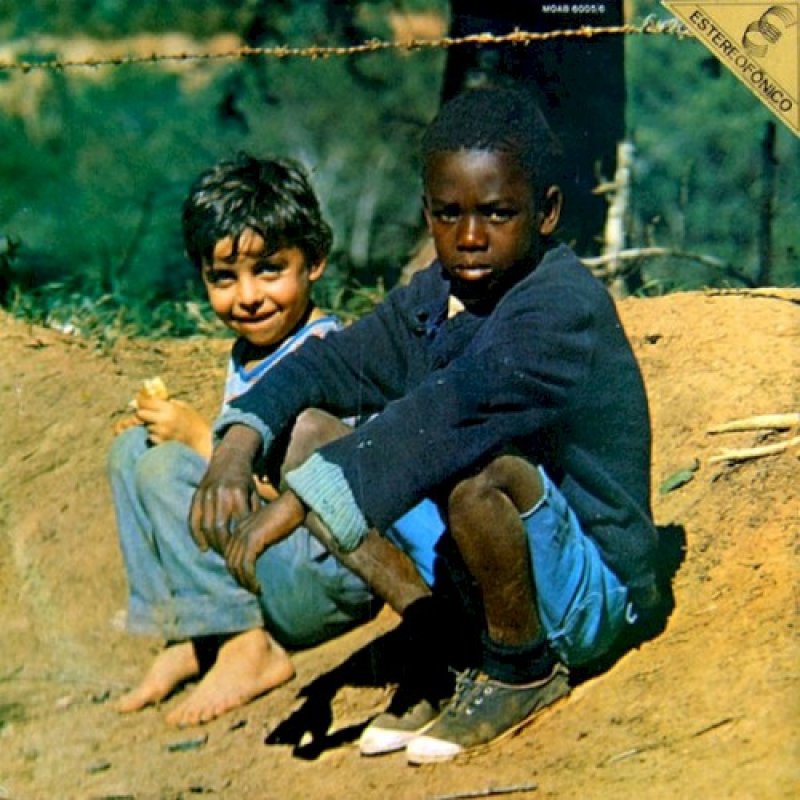
It was recorded in November 1971 in two very different places: Praia de Piratininga, in Niterói, where the sound of the sea seeped into the takes, and the Estúdios Odeon in Rio de Janeiro, where the technical team worked with what they had on hand. The result was a double album, Clube da Esquina, released the following year by EMI-Odeon Records, which didn’t aim to sound like the rest. Amid Brazil’s military dictatorship, that political tension seeped into the lyrics and chords, yet without losing sight of human warmth. Milton and Lô Borges crafted an album that was, at once, a refuge and a challenge. Cravo e canela is just one of those gems born from it, clocking in at two and a half minutes—long enough to linger, but not so long as to tire.
From album

Clube da Esquina
Milton Nascimento · 1972 · Track 6
Details
Credits
Lyrics Milton Nascimento
Music Ronaldo Bastos