The story behind
Come Rain or Come Shine, according to DoReSol
The first time you listen to Come Rain or Come Shine, you get hooked by that opening: a single A repeated thirteen times in a row, like an insistent heartbeat that never lets up. It’s not a conventional melody, but rather a call that cuts through the air before the voice begins to sing. Harold Arlen — the composer — seems to be testing something with this device: how far can a musical idea go with just a handful of notes? The answer lies in how the piece holds together, in how the rest of the composition is built around that repetition, like a building rising from minimal but solid foundations. Johnny Mercer, the lyricist, contributes verses about unbreakable love, but it’s the music that ultimately takes over: a standard that, despite its apparent simplicity, demands the performer understand its internal architecture to avoid drowning in it.
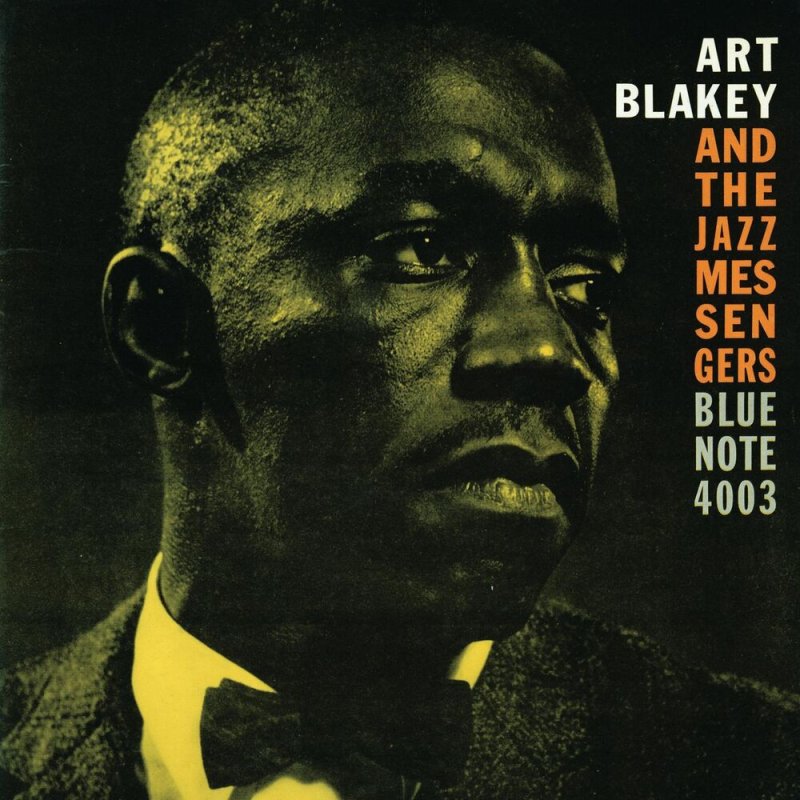
The song was written for St. Louis Woman, a Broadway musical that barely lasted three months on stage in 1946. Arlen already had experience with songs that used weather phenomena as metaphors — from Stormy Weather to Over the Rainbow — but here he took the idea to the extreme: the weather isn’t just a setting, but the emotional engine of the piece. The original version, recorded by Margaret Whiting with Paul Weston’s orchestra, reached number seventeen on the pop charts, and shortly after, Helen Forrest and Dick Haymes took it to number twenty-three. However, its true destiny was different: becoming a jazz standard, where musicians like Bill Evans or Stan Getz found in its opulent harmony — rich with nuances that invite introspection — fertile ground to improvise without losing the essence. Alfred Lion, the producer of Art Blakey & The Jazz Messengers’ recording, must have sensed something special in the piece: their version, nearly six minutes long, lets each note breathe, as if time itself stopped to listen to the weight of every chord.
From album

Moanin’
Art Blakey & The Jazz Messengers · 1958 · Track 6
Details
Credits
Lyrics Johnny Mercer
Music Harold Arlen