Chords in progress
We have not analyzed this song audio yet. Once it is ready, you will see the chord player synced with the video.
The story behind
Moanin', according to DoReSol
That first piano note by Bobby Timmons is unmistakable: an F minor chord that sticks like a hook and won’t let go. It’s not just the opening of Moanin'; it’s the moment when hard bop shakes off the dust of concert halls and plants itself on the street with an urgency that still resonates today. The piece doesn’t ask for permission: it advances with a rhythm that pulses between the spiritual and the earthly, where every instrument seems to push the next in a dialogue without pauses. What’s curious is that this initial riff wasn’t born as a full song. According to Benny Golson, the band’s saxophonist, Timmons used to play it as an interlude between tracks until Golson suggested he give it structure. The result is a melody that works like a call and response, as if the piano and sax challenged each other in every measure, yet always in sync with that relentless groove that defines the most visceral jazz of the fifties.
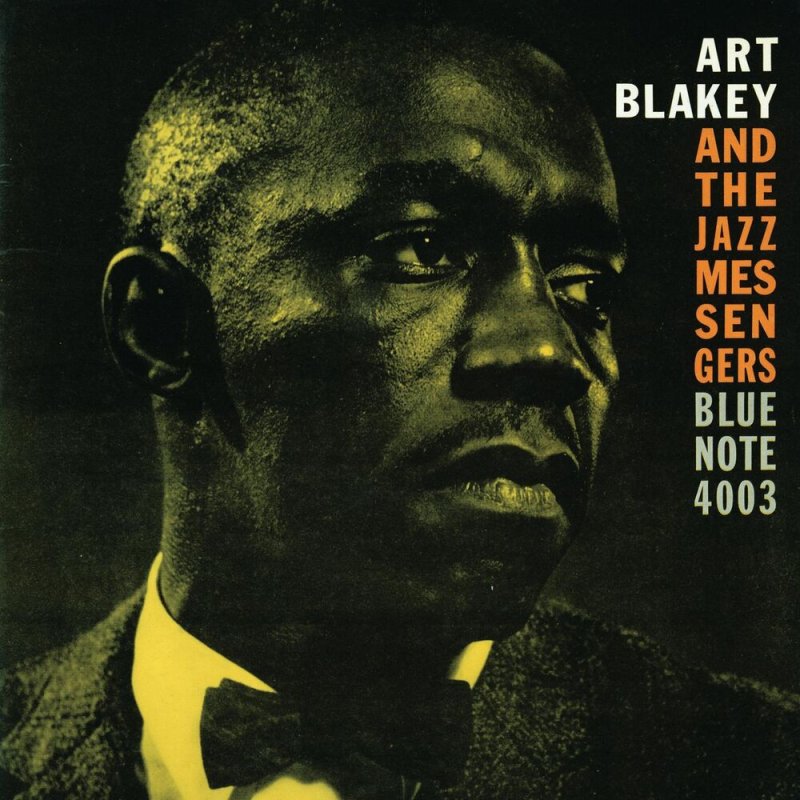
The recording session on October 30, 1958, at Van Gelder Studio in Hackensack was a hotbed of ideas. Art Blakey and his Jazz Messengers had spent months forging a sound that blended the tradition of bebop with the rawness of rhythm and blues, and Moanin' ended up being their manifesto. The track was recorded in a single take, unfiltered, with the weight of a record that sought not perfection but authenticity. Alfred Lion, the producer at Blue Note, understood they were onto something big and let it flow. The result is a nearly ten-minute piece where every musician shines: Lee Morgan on trumpet with those sharp solos, Golson weaving melodic lines that seem to sing, and Timmons at the piano, hammering out those notes with a force that foreshadowed what was to come in soul years later. The lyrics Jon Hendricks added afterward—and which Lambert, Hendricks & Ross later popularized—gave it another dimension, but the essence was already there: a song that doesn’t sound like jazz, but like life.
From album

Moanin’
Art Blakey & The Jazz Messengers · 1958 · Track 1
Details
Credits
Music Bobby Timmons