The story behind
Cobwebs and Strange, according to DoReSol
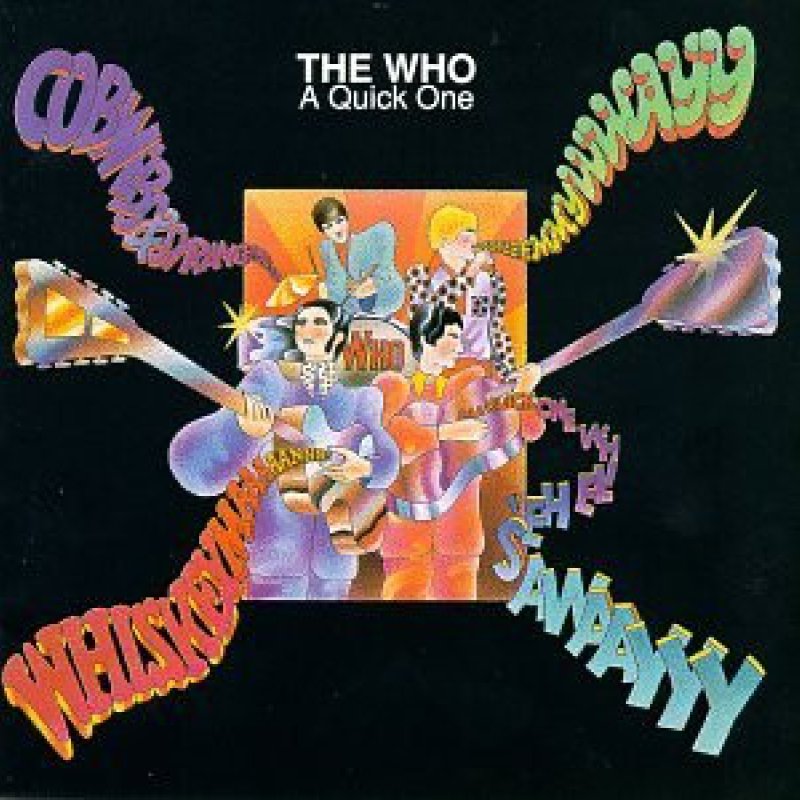
On The Who's second studio album, titled A Quick One, released in December 1966, we find a piece that stands out for its authorship: Cobwebs and Strange. Unlike other releases where Pete Townshend was the main songwriter, this album is characterized by the participation of all members in song creation. In this particular case, the music for Cobwebs and Strange bears the signature of drummer Keith Moon. The album itself was recorded between August and November 1966 in London studios such as IBC, Regent, and Pye, under the production of Kit Lambert and with the support of Chris Stamp. In the United States, the album had a later release in April 1967, with a slightly modified tracklist and under the title Happy Jack, which was also a chart success.
The recording of A Quick One took place in a context where The Who sought to explore new creative avenues. Each member received an advance of £500 from New Action Publishing to contribute two compositions to the album, although Roger Daltrey only contributed one. This shared songwriting dynamic, according to Townshend, led to the exclusion of recent singles he had written. During the recording sessions, in October 1966, Chas Chandler introduced Jimi Hendrix to the group, seeking amplifier recommendations. Townshend suggested brands like Hiwatt and Marshall, a decision he would later regret due to the power of those setups in the hands of a guitarist unknown to him at the time. The album, in addition to its own compositions, included a cover of the song Heat Wave by Holland–Dozier–Holland and concluded with a musical suite, A Quick One, While He's Away, which would lay the groundwork for the band's future rock operas.
From album

A Quick One
The Who · 1966
Details
Credits
Music Keith Moon