Chords in progress
We have not analyzed this song audio yet. Once it is ready, you will see the chord player synced with the video.
The story behind
Clint Eastwood (Ed Case/Sweetie Irie refix), according to DoReSol
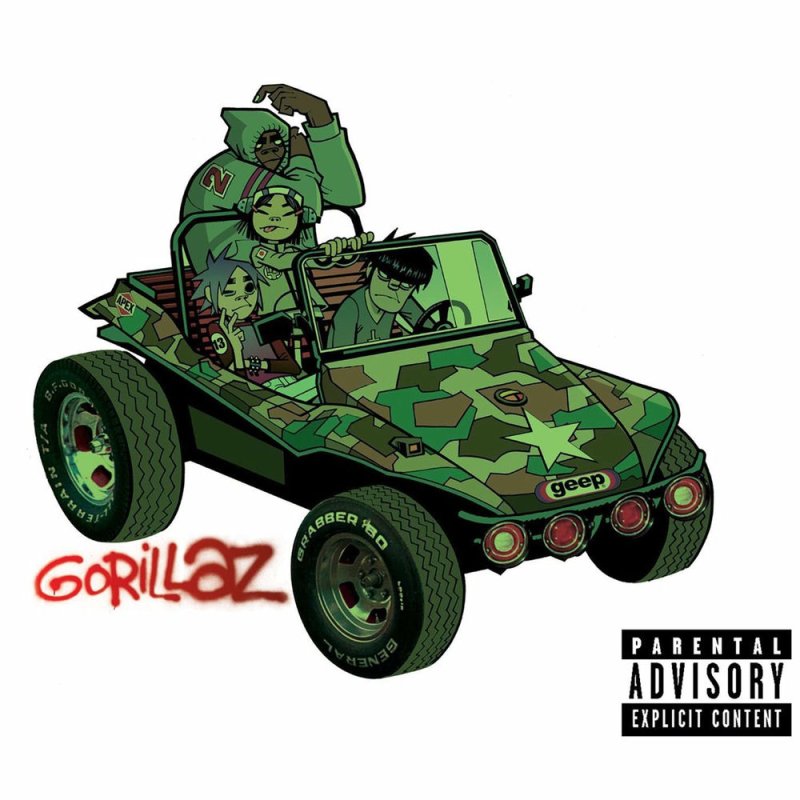
When you listen to “Clint Eastwood” (Ed Case/Sweetie Irie refix), you’ll discover one of the tracks that defined the early sound of Gorillaz, a band that, since 1998, has set out to experiment with music through a virtual concept. This 3:41-minute refix version of the song is an example of the fusion of genres that characterizes the band’s debut album. Released by Parlophone in the United Kingdom in March 2001, the album *Gorillaz* explored combinations of trip-hop, rap rock, art rock, hip-hop, dub, reggae, Latin music, psychedelia, and punk rock. The album not only reached number three on the British charts but also sold around seven million copies worldwide, earning Gorillaz a spot in the Guinness Book of World Records as the most successful virtual band.
The brainchild behind Gorillaz is a collaboration between Damon Albarn and Jamie Hewlett, who brought this project to life in 1998. The band consists of four fictional characters: 2-D, Noodle, Murdoc Niccals, and Russel Hobbs, whose story and music are presented through animated videos, interviews, and short films. Although Albarn is the permanent musician in real life, the production of tracks such as “Clint Eastwood (Ed Case/Sweetie Irie refix)” involved a team that included Ed Case, Jason Cox, Dan the Automator, and Tom Girling, in addition to the band itself. Jason Cox and Tom Girling were also in charge of recording engineering. Over time, Gorillaz’s lineup evolved: Remi Kabaka Jr., who had already provided the voice of Russel Hobbs, officially joined Albarn and Hewlett as a member in 2019—a moment documented in *Gorillaz: Reject False Icons, following years of collaboration that began in 2016.
From album

Gorillaz
Gorillaz · 2001 · Track 16
Details
Credits
Music Damon Albarn, Teren Jones