The story behind
Bring the Boys Back Home, according to DoReSol
When you hear the first drums marking a march rhythm, almost as if a platoon were approaching, you already realize that *Bring the Boys Back Home* has something different. The song starts with that firm 4/4 percussion, but an orchestra and a choir soon join in, moving in a 12/8 time signature. It's this superposition of rhythms that gives it a sense of tension, as if two forces were at play. Roger Waters' voice appears in a high register, singing direct lyrics about the need to bring the soldiers back home and not leave the children alone. The chord progression, which repeats and then inverts, creating instability, is a resource that Pink Floyd used in other parts of *The Wall* and in later works. The climax arrives when Waters' voice struggles to hold a high note, while the percussion insists and laughter and voices mix, as if the character of Pink were on the verge of madness.
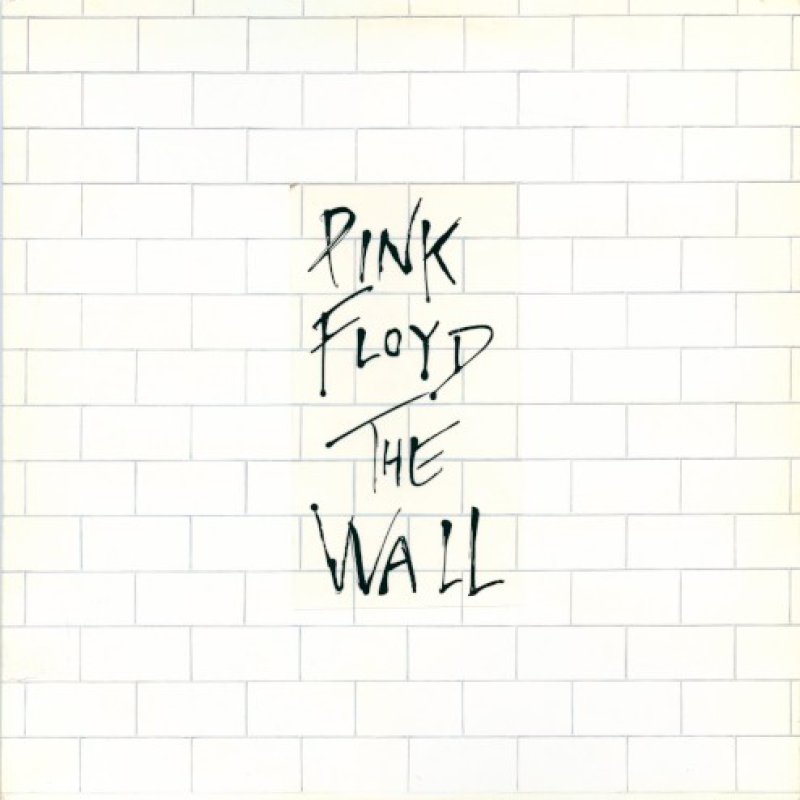
This piece, written by Roger Waters, was conceived as a connecting point within the narrative of *The Wall*, an album released on November 30, 1979. The recording of the song took place between April and November 1979, and featured production by Bob Ezrin, David Gilmour, James Guthrie, and Roger Waters himself. The album version has a duration of 1:21. The theme addresses the consequences of war, a recurring theme on the album, and marks a crucial moment in Pink's story. For the live performances of *The Wall*, the band opted to use the original orchestral recordings by Michael Kamen and pre-recorded sound effects, rather than trying to replicate them with an orchestra and a large number of percussionists at each concert. This allowed them to maintain synchronization with the studio recordings, even with the use of *click tracks*.
From album

The Wall
Pink Floyd · 1979
Details
Credits
Music Roger Waters