The story behind
The Thin Ice, according to DoReSol
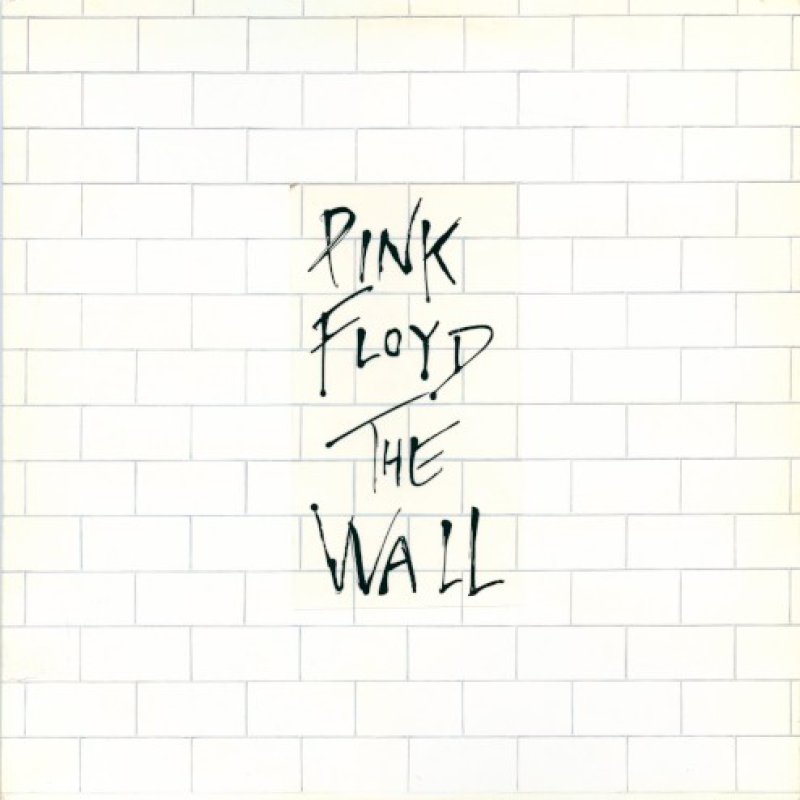
The song The Thin Ice, which opens the album The Wall by Pink Floyd, immediately immerses us in a particular atmosphere. It begins with the sound of a crying baby, a detail that sets the stage for the story that will unfold. The musical structure is based on a harmonic progression reminiscent of 1950s songs, with a 6/8 time signature. Initially, David Gilmour's voice sings tender verses about maternal love, accompanied by a piano and synthesizer that create a sense of calm. However, the piece introduces a break with a bass line that generates dissonance, anticipating a change. Then, Roger Waters' voice takes over, the piano becomes sharper, and the lyrics acquire a warning tone, alerting about the dangers of "skating on the thin ice of modern life." As the vocal part concludes, the melody transforms, giving way to a powerful riff of distorted guitars. The song's ending, despite finishing on a major chord, merges with the next track, Another Brick, creating a sense of unease that aligns with the lyrical message.
The recording of The Thin Ice took place between April and November 1979, and its release occurred on November 30, 1979, in the United Kingdom and December 8 in the United States. This piece, with a duration of two minutes and thirty seconds, is conceived as an introduction to the narrative of The Wall, a concept album that tells the story of Pink, a rock star who isolates himself from the world. The song introduces Pink in his early years, from childhood, warning about deceptive appearances and hidden risks, even within a seemingly safe family environment. In an interview, Roger Waters explained that the lyrics address how parents, often influenced by their own experiences, pass on their fears to their children from an early age. The production of the song involved the collaboration of Bob Ezrin, David Gilmour, James Guthrie, and Roger Waters himself, who worked on this progressive rock and hard rock track.
From album

The Wall
Pink Floyd · 1979
Details
Credits
Music Roger Waters