The story behind
The Happiest Days of Our Lives, according to DoReSol
The song The Happiest Days of Our Lives by Pink Floyd immediately immerses us in a particular atmosphere. It begins with about 24 seconds of helicopter sound, captured by recording engineer Jack Douglas at Edwards Air Force Base in California. The band asked him to record helicopters and fighter jets, and at the base they were given total freedom knowing it was for Pink Floyd. After this sonic prelude, the voice of the "schoolmaster", played by Roger Waters, is heard giving a curt order. Waters' lead vocal has a reversed echo effect, and the electric guitar is accompanied by a delay. The bass, for its part, marks the fundamental notes of the chords very clearly. Curiously, the bass and guitar figure heard in the verses, which goes from G to A, has a similar feel to another song on the album, Waiting for the Worms.
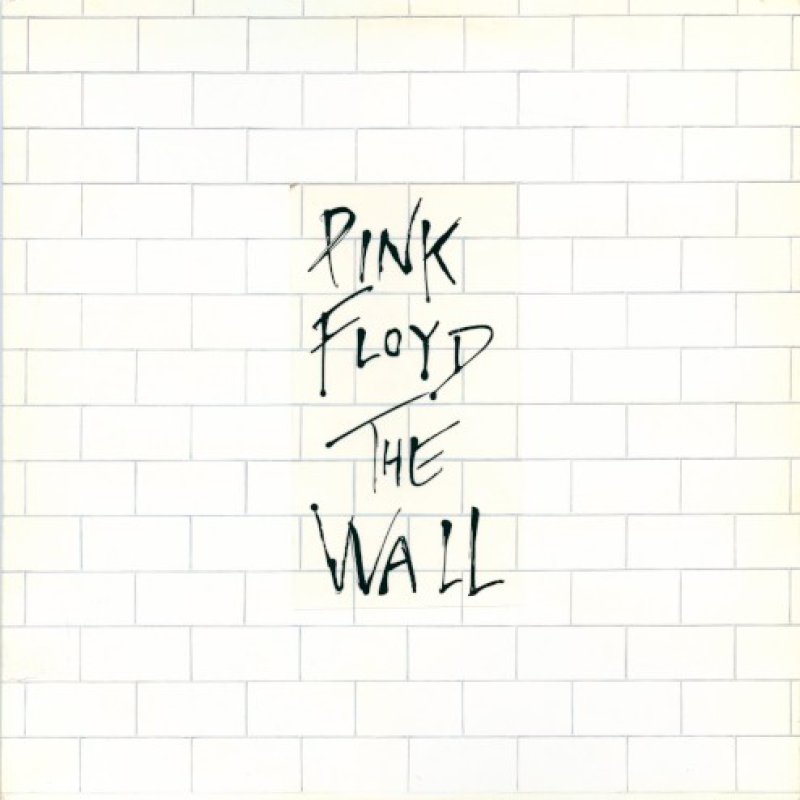
At the end of The Happiest Days of Our Lives, the music gives way to Another Brick in the Wall, Part 2 with a sharp, powerful scream from Waters, a sonic device reminiscent of the band's earlier work like Careful with That Axe, Eugene. This direct connection means that many radio stations often play both songs consecutively, and on later compilations, such as Echoes and A Foot in the Door, this piece is used as an extended introduction to Another Brick in the Wall, Part 2. In the film adaptation of the album, the initial sound is not a helicopter, but that of a train entering a tunnel. The album The Wall, released in 1979, tells the story of Pink, a rock star who isolates himself from the world. The Happiest Days of Our Lives focuses on Pink's youth, marked by a school system with strict and sometimes violent teachers who treated students with contempt. Waters confessed that the lyrics reflected his own negative experiences at school. The recording of the album took place between April and November 1979, and was produced by Bob Ezrin, David Gilmour, James Guthrie, and Roger Waters.
From album

The Wall
Pink Floyd · 1979
Details
Credits
Music Roger Waters