The story behind
Brain Damage, according to DoReSol
When you dive into *Brain Damage*, you encounter a melody that, despite its apparent simplicity, carries a deep emotional weight. The piece merges almost imperceptibly with *Eclipse*, creating the sensation of being a single extended work, a characteristic that was intended for inclusion in later compilations. Originally, the idea was for David Gilmour to handle the lead vocals, but in the end, it was Roger Waters who performed it, with Gilmour joining in on the backing vocals. This makes *Brain Damage* and *Eclipse* the only songs on the album where Waters takes on the role of lead vocalist. The laughter heard at the end belongs to Peter Watts, who can also be heard interjecting a few phrases throughout the record. The song's duration is just under four minutes, making it one of the shortest on the album.
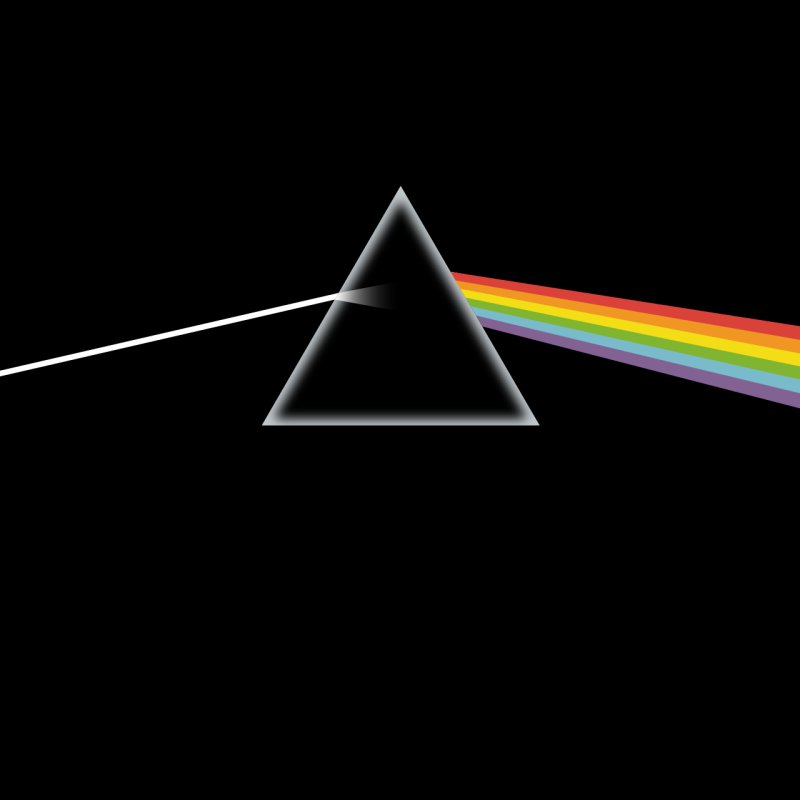
The genesis of *Brain Damage* dates back to the tour for the album Meddle, a period during which Roger Waters also conceived *Money*. At that time, the song we now know as *The Dark Side of the Moon* was the working title for this composition. The name *Brain Damage* was a direct dedication from Waters to Syd Barrett, reflecting the deterioration of his mental health due to drug use. The album, The Dark Side of the Moon, was recorded in two stages during 1972 and 1973 at EMI studios, now known as Abbey Road Studios, in London. It is said that the initial arpeggio bears a similarity to The Beatles' song *Dear Prudence*, and although there were no formal claims, a friendly agreement between the bands for its use is implied. The album's production was handled by Pink Floyd, with Alan Parsons and Chris Thomas on mixing, and Peter James and Alan Parsons as recording engineers.
From album

The Dark Side of the Moon
Pink Floyd · 1973
Details
Credits
Music Roger Waters