The story behind
On the Run, according to DoReSol
When you dive into *On the Run*, you encounter a piece that immediately transports you. It's not just music; it's a feeling of constant movement, almost as if you were on an endless journey. The most striking aspect is how this sound was constructed: an EMS Synthi AKS sequencer was used, feeding an eight-note sequence and speeding it up. To create that hi-hat-like rhythm, white noise was combined with the sequencer's pulse in a ring modulator. Additionally, they added backward-recorded guitar parts, achieving a left-to-right movement effect. There are also other synthesizer sounds that simulate a vehicle passing by, generating a very particular Doppler effect. All of this, combined with frequency and resonance modulation, creates that tense and enveloping atmosphere. Towards the end, only a guitar with a fading chord remains just before giving way to the bells of *Time*.
The gestation of *On the Run* was a process of experimentation. The initial idea for the musical base came from David Gilmour, but Roger Waters gave it a twist with a different note sequence, earning them both songwriting credit. The recording of the base began on May 31, 1972, but they decided to discard it and recorded a new version on June 13. The work continued throughout the rest of the year, and the final sound layers were added on February 9, 1973. In the studio records, these sessions were referred to as "Rare Sounds" and "More Rare Sounds." Interestingly, according to accounts, everything heard on the track, except for the sound effects, was recorded live, directly from the Synthi A synthesizer. There was no possibility of synchronizing two takes, which is why it was done this way. Even on the road, before a concert, they had to input the sequence notes manually, very slowly, to then speed them up during playback and achieve that fast effect we hear. At the time, when Pink Floyd presented the album live in 1972, before its official release, this piece was known as "The Travel Sequence" and was more of a guitar improvisation than the electronic instrumental we know today.
From album

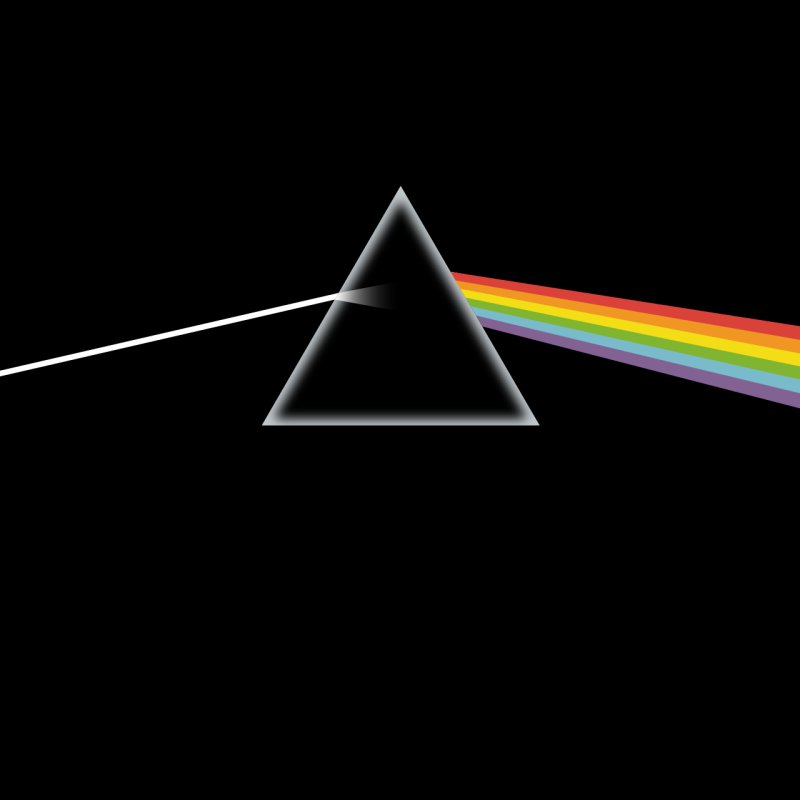
The Dark Side of the Moon
Pink Floyd · 1973
Details
Credits
Music David Gilmour, Roger Waters