The story behind
Angels on the Balcony, according to DoReSol
In Autoamerican there is a moment that seems taken straight out of a neighborhood horror film: Angels on the Balcony begins with a mysterious air, almost as if the setting were the Loews 46th Street Theater in Brooklyn in the 1950s. The song is not an epic track nor a dance anthem, but a short narrative where keyboardist Jimmy Destri and lyricist Laura Davis revive a local legend: a ghost that, according to the local kids, wandered the theater’s balcony after a *greaser* was stabbed there. There are no screams or exaggerated dramatic effects, but the atmosphere says it all: the clean guitar intertwining with the bass, the keyboards mimicking echoes of distant laughter, and Debbie Harry’s voice sounding as if she were whispering a secret. The exact duration, 3:46, is enough for the story to unfold without haste, like a tale heard in a dark corner.
What’s curious is that this song almost didn’t exist in its final version. Destri and Davis wrote it as a nod to an anecdote they were told, but before recording it, there was a demo with Giorgio Moroder —yes, the same producer behind hits like Call Me—. Moroder, in his style, gave the melody a darker twist, but in the end, the version we know remained: produced by Mike Chapman and recorded by engineers Lenise Bent, Gary Boatner, and Doug Schwartz. It’s not a song that was easy to place or climb charts, but in Autoamerican —that album that in 1980 took them to the top in the United Kingdom and Australia— it works as an unsettling interlude between tracks like The Tide Is High and Rapture. Even years later, artists like Jeremy Jay and Burnt Fur dared to cover it, confirming that this blend of rock, mystery, and nostalgia has something that transcends time.
From album

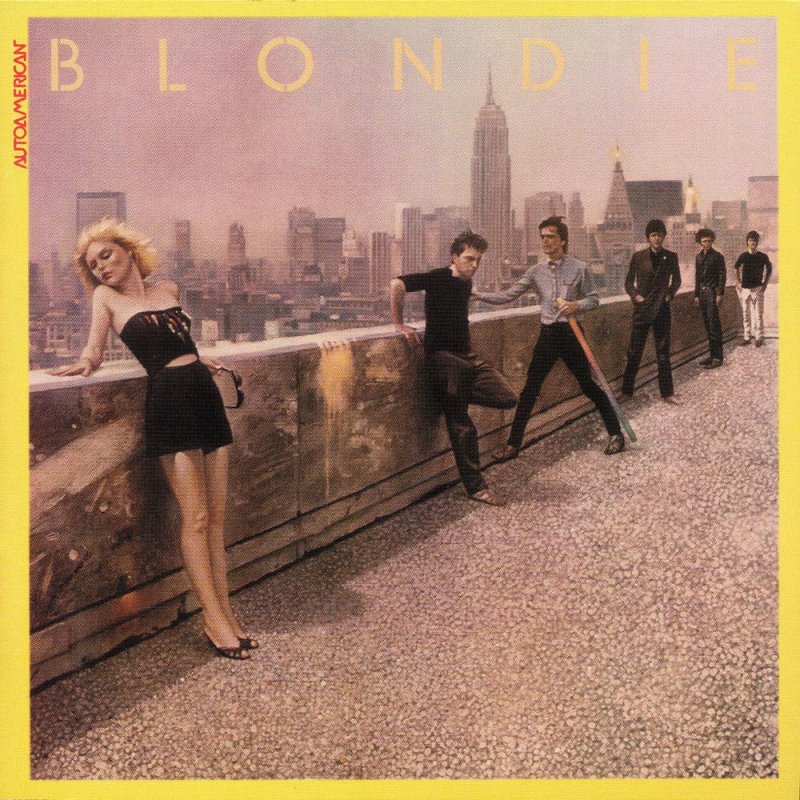
Autoamerican
Blondie · 1980 · Track 5
Details
Credits
Music Jimmy Destri, Laura Davis