The story behind
Andrea Doria, according to DoReSol
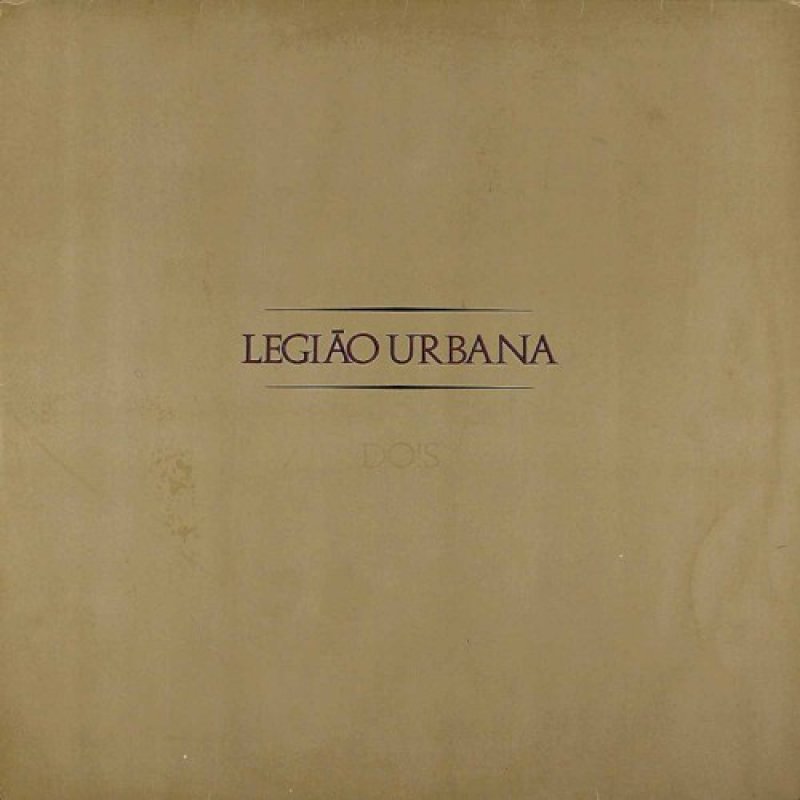
In 1986, Legião Urbana released Andrea Doria on their second album, Dois. The song takes its name from a real event: the sinking of the ship of the same name in 1956, after colliding with another vessel. But beyond the title, Renato Russo's lyrics use this image as a metaphor for fading dreams. It doesn't speak of a shipwreck at sea, but of how youth — with its ideals, its desire to change the world — clashes with the hypocrisy, consumerism, and lies that surround capitalism. It's a song that doesn't stay literal: each verse seems to want to warn that, sooner or later, those plans sink.
The track is 4:53 long and was recorded at a key moment for the band. Dois was released in July 1986, but the album had already been in the making since before, when Legião Urbana was still seeking to define its sound. The album ended up being one of the band's most celebrated: in 2012, the public chose it as the third best Brazilian album in history in a vote organized by Eldorado FM radio and media outlets like the Caderno C2+Música of O Estado de S. Paulo. Although songs like Tempo Perdido or Eduardo e Mônica became hits, Andrea Doria stood out for its raw lyrics, which connected with a generation that was beginning to question the system. The band, which emerged in Brasília in the early 80s, never sought to follow trends: as Renato Russo said in a 1994 interview, they preferred to play out of conviction rather than for recognition.
From album

Dois
Legião Urbana · 1986
Details
Credits
Music Renato Russo, Dado Villa-Lobos, Marcelo Bonfá