The story behind
All My Trials, according to DoReSol
This piece, *All My Trials*, has a somewhat elusive origin story. There are no clear records documenting it before its first commercial recording. What we do know is that it first appeared in 1956 on Bob Gibson's debut album, titled Offbeat Folksongs, under the name *Bahamian Lullaby*. In the liner notes of that record, Gibson did not delve into its provenance. It was Cynthia Gooding and Billy Faier, who recorded it shortly after, who began to provide clues. Both mentioned having learned it from Erik Darling. Gooding suggested it was a spiritual song that traveled to the West British Isles and returned with a particular island rhythm, an idea that seems to have come from Darling. He, for his part, said he had heard the song several times in the spring of 1954, while working with his group, The Tarriers. Despite these references, traditional song indexes do not point to the Bahamas as its origin, leaving its provenance unknown.
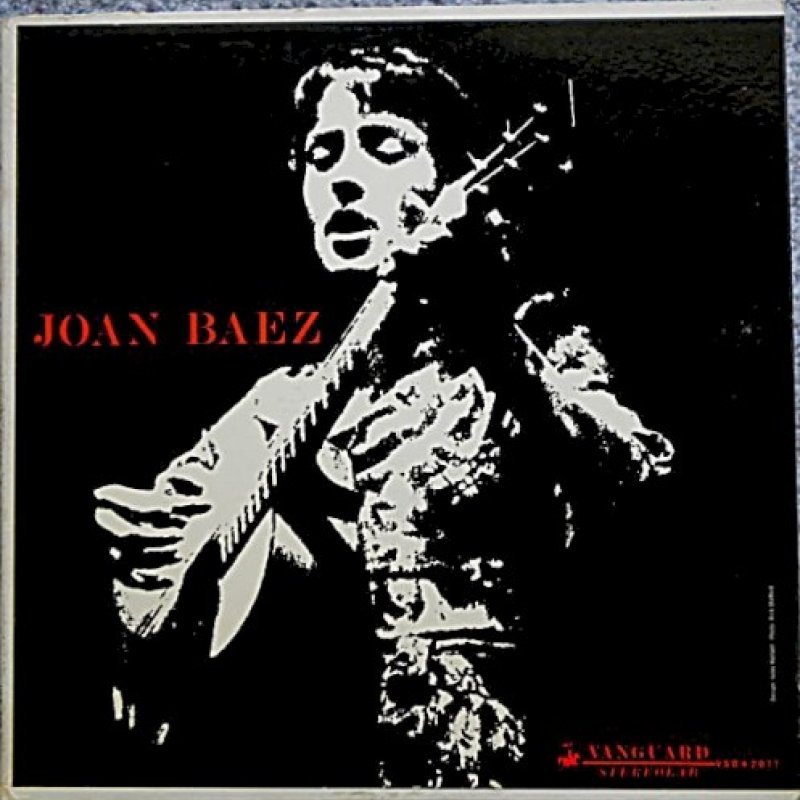
The version that many of us likely know, Joan Baez's, was released in 1960 on her self-titled album, Joan Baez. Joan Baez's songbook, published in 1964, proposes that the piece may have its roots in a pre-Civil War Southern gospel song. According to this theory, the song would have been taken to the Bahamas, where it transformed into a lullaby, and then forgotten in the United States until its return from the islands popularized it during the folk music revival. Baez's debut album, recorded in Manhattan in 1960, was made in just four days, with Fred Hellerman accompanying her on some parts. Though it did not immediately reach the top positions of the Billboard 200, its success grew over time, especially after the release of her second album. Later, in 1990, Paul McCartney also included it as a single from his live album Tripping the Live Fantastic.
From album

Joan Baez
Joan Baez · 1960
Details
Credits
Lyrics [traditional]
Music [traditional]