La historia detrás
The Hurting, según DoReSol
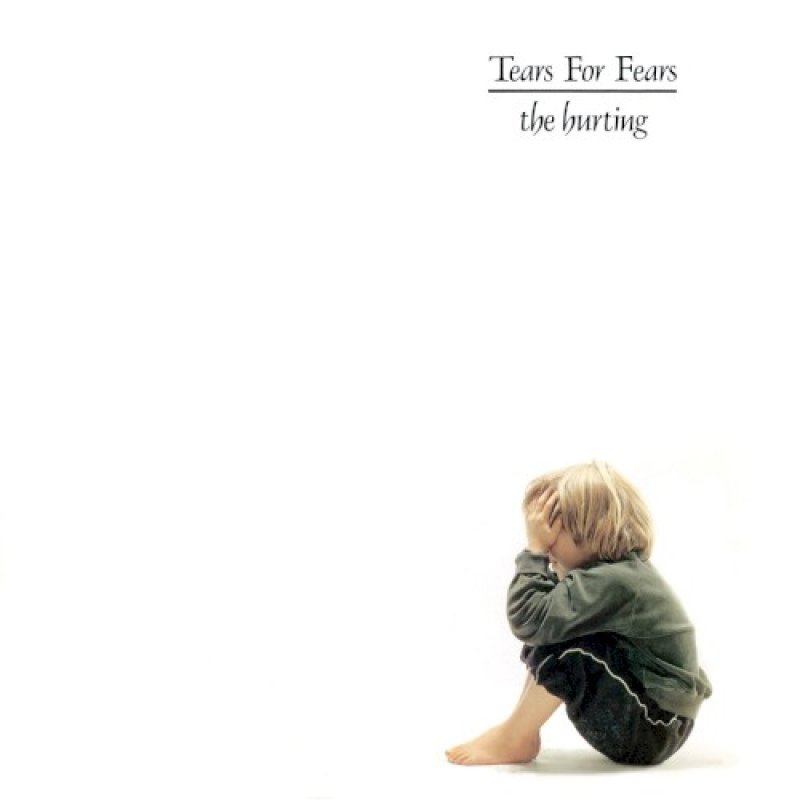
El álbum debut de Tears for Fears, The Hurting, lanzado en 1983, es un trabajo que explora temas profundos como el abuso infantil, el trauma psicológico y la depresión. A pesar de la seriedad de su contenido, la placa se convirtió en un éxito comercial notable. De este disco se desprendieron los primeros tres sencillos de la banda que alcanzaron los primeros puestos en el Reino Unido: Mad World, Change y Pale Shelter. La duración total del álbum es de 4:20.
La grabación de The Hurting estuvo a cargo de los productores Ross Cullum y Chris Hughes. La banda, formada en 1981 por Roland Orzabal y Curt Smith, surgió tras la disolución de su grupo anterior, Graduate. Inicialmente vinculados a la escena de sintetizadores del New Wave de principios de los 80, Tears for Fears evolucionó hacia un sonido más amplio de rock y pop convencional, lo que les abrió las puertas a las listas de éxitos internacionales. The Hurting llegó al primer puesto en el Reino Unido y obtuvo certificaciones de Oro y Platino en ese país. También figuró en el Top 40 de países como Alemania, Australia y Canadá.
Del álbum

The Hurting
Tears for Fears · 1983
Datos
Créditos
Letra Roland Orzabal
Música Roland Orzabal