The story behind
Will You Love Me Tomorrow?, according to DoReSol
When Carole King and Gerry Goffin created *Will You Love Me Tomorrow?*, they weren't just writing a song, but laying the groundwork for a sound that would define an era. The first time this melody was heard was in 1960, recorded by The Shirelles. What's interesting is that, at first, the lead singer of The Shirelles, Shirley Owens, felt the song sounded "too country." It was only after adding string arrangements that the piece took the form we know today. The recording took place at Bell Sound studios in New York, and featured session musicians like Paul Griffin on piano and Gary Chester on drums. The song, structured in an AABA form, addressed themes that some radio stations considered bold for the time, even going so far as to ban its broadcast because they felt the lyrics were too suggestive.
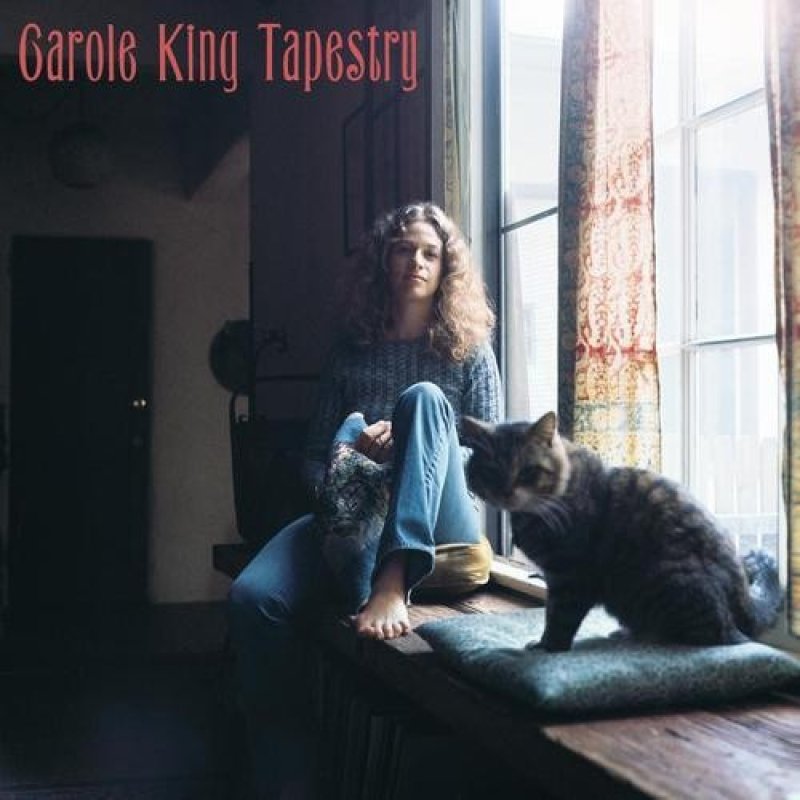
The impact of *Will You Love Me Tomorrow?* was immediate and significant. It became the first song by a girl group to reach the top of the Billboard Hot 100 chart, a milestone for the music industry. Additionally, it reached second place on the Billboard R&B chart and fourth in the United Kingdom. Years later, in 1971, Carole King, who composed the music, included her own version on her acclaimed album Tapestry. This reinterpretation, with a considerably slower tempo, was analyzed as the expression of a mature woman seeking equity in a relationship, in contrast to the plea of a frightened virgin. King's version resonated strongly with the public, contributing to the album's massive success, which in turn won four Grammy Awards in 1972. In 1999, the song was recognized with an induction into the Grammy Hall of Fame, solidifying its place in music history.
From album

Tapestry
Carole King · 1971 · Track 9
Details
Credits
Lyrics Gerry Goffin
Music Carole King