The story behind
Watermelon Man, according to DoReSol
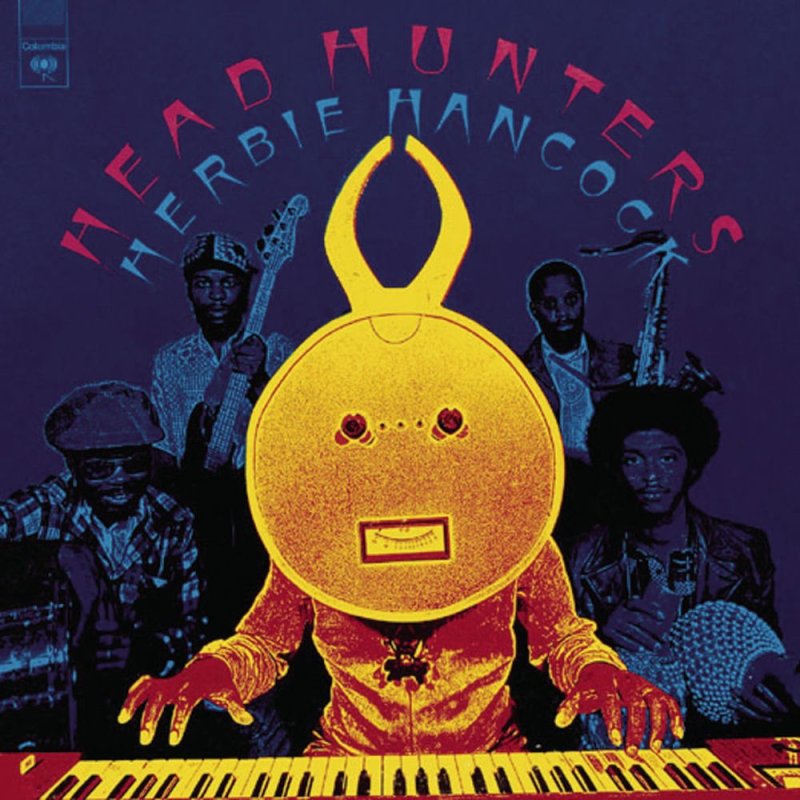
The first time Watermelon Man played, it was nothing more than a jazz track with a catchy rhythm and three simple chords, yet it was enough for Herbie Hancock to earn a place on the map. Recorded in 1962 for his debut album Takin' Off, the song stood out for that piano riff that sounds like an electric whisper, almost as if the Fender Rhodes were humming a melody under its breath. Freddie Hubbard and Dexter Gordon slipped into the improvisations, giving it that relaxed jam session vibe where every note feels like spontaneous conversation. The single reached the Top 100 of the pop charts, but what no one expected was that a year later, Cuban percussionist Mongo Santamaría would flip it with a Latin version of Watermelon Man that climbed all the way to No. 10. That recording ended up in the 1998 Grammy Hall of Fame, but the most curious part is that Hancock, years later, reimagined it in funk style for Head Hunters (1973), proving that the same song can thrive in different sonic worlds without losing its essence.
What makes this piece special isn’t just its back-and-forth history between genres, but how Hancock made such a simple track—with those three repeating chords like a heartbeat—sound like something bigger. In the original version, the piano never lets go of that funky riff, not even when Hancock launches into his solos: it’s as if the song has two voices, one constant and another improvising over it. The recording sessions for Takin' Off were quick and direct, with Alfred Lion at the helm in the Blue Note Records studios, but the real twist came when Hancock revived it a decade later for Head Hunters. There, the track became the heart of the album, recorded in San Francisco nights between Wally Heider Studios and Different Fur Trading Co., with Bennie Maupin, Paul Jackson, Bill Summers and Harvey Mason—the core that would later become Headhunters—exploring that sound between jazz, funk, and the popular. The song’s 7:10 length isn’t accidental: it’s just the right time for the obsessive repetition of the riff and the improvisations to reach their boiling point.
From album

Head Hunters
Herbie Hancock · 1973 · Track 2
Details
Credits
Music Herbie Hancock