The story behind
Total pa' qué sirvo, according to DoReSol
Aníbal Troilo put music to a question many ask themselves at some point: Total pa' qué sirvo. In just two minutes and forty seconds, Pichuco's bandoneon draws a melody that sounds like an intimate confession, as if the instrument were breathing alongside the one playing it. It's not a tango that marches forward with firm steps, but one that drags itself, pauses, and starts again, as if each note carried the weight of a doubt that never quite resolves. The phrasing is broken, almost conversational, and the bandoneon doesn't shine with hollow virtuosity; instead, it sounds like a human voice: hoarse, direct, without adornments that don't serve a purpose.
The song was born in the 1970s, when Troilo had already spent decades as a key figure in Buenos Aires tango. It wasn't meant to be a massive hit, but rather another piece in the universe he explored from the Abasto neighborhood, where he grew up surrounded by bars where the bandoneon played all hours. He recorded it at some point in 1975, the same year death caught up with him, and in the brevity of Total pa' qué sirvo, something more than a song is felt: there's an echo of what remains when life begins to measure what one contributes. The bandoneon asks for nothing; it simply lets the notes fall like someone releasing a truth that can no longer be taken back.
From album

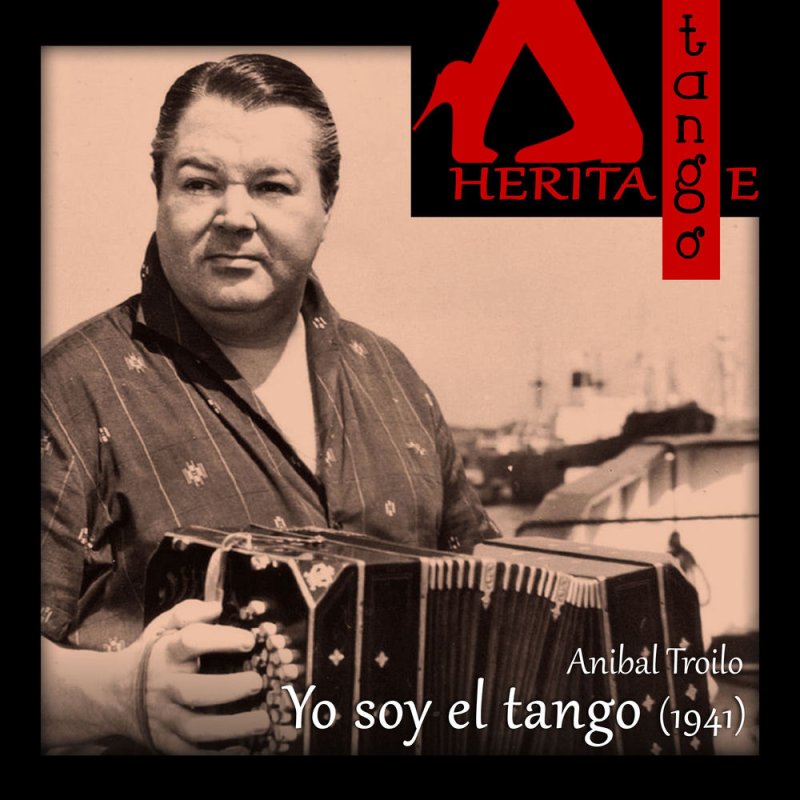
Yo soy el tango - 1941
Aníbal Troilo · 2004 · Track 10
Details