The story behind
El bulín de la calle Ayacucho, according to DoReSol
In El bulín de la calle Ayacucho, Aníbal Troilo Pichuco encapsulates the most intimate flavor of Buenos Aires tango. It is not just a song: it is a sonic portrait of a corner where time seems to stand still. Troilo’s bandoneon, with its raspy yet warm timbre, paints the bulín—that small refuge—as if he had it right before his eyes. The melody unfolds with the cadence only he could achieve: between sighs and drags, as if each note breathed the same nostalgia that lingers in the bars of Buenos Aires where he grew up. There is something in the phrasing that sounds like a confession, like the secrets shared in hushed tones between worn walls and old furniture.
The piece was born in 1975, the same year Pichuco said goodbye to this world, but its essence had already been in his hands for decades. Troilo, who spent his childhood listening to bandoneons in the bars of Abasto and later lived in Recoleta during his adolescence, carried that landscape onto the staff. The street Ayacucho was not just a title: it was the place where tango became tangible, where stories of love and heartbreak wove together between glasses and glances. Recorded in a brief format—just two minutes and twenty-nine seconds—the song needs no more. Its power lies in what it does not say: in that bulín we all carry within us, in the corner where the bandoneon becomes a voice and the past turns into the present.
From album

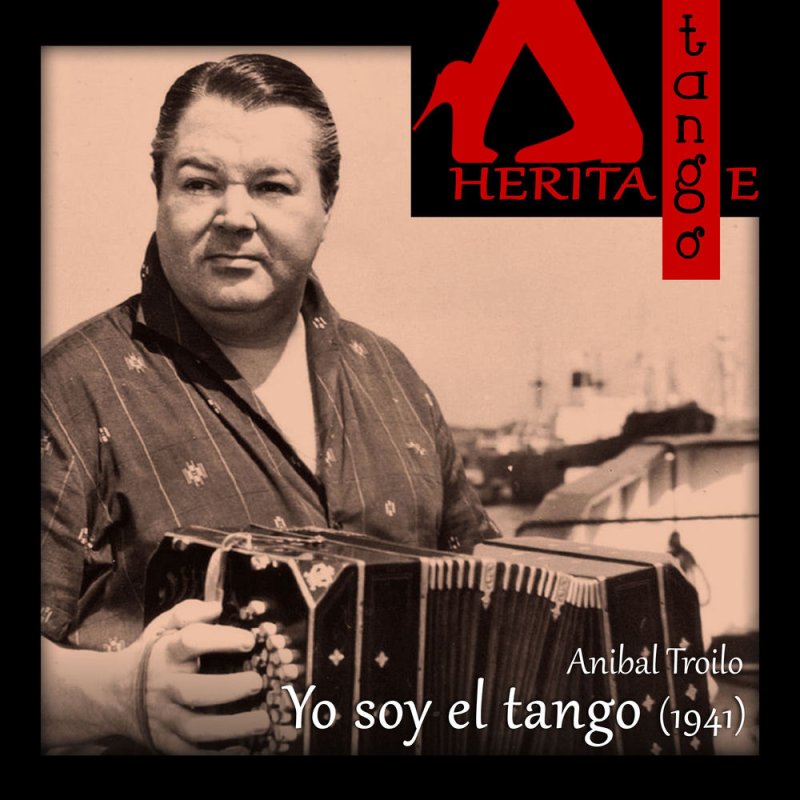
Yo soy el tango - 1941
Aníbal Troilo · 2004 · Track 4
Details