Chords in progress
We have not analyzed this song audio yet. Once it is ready, you will see the chord player synced with the video.
The story behind
To Love Somebody, according to DoReSol
When Barry and Robin Gibb sat down to write *To Love Somebody*, they weren't looking to create an anthem for the masses. The original idea, driven by Robert Stigwood, the group's manager, was to compose a piece with the raw emotion of artists like Sam & Dave or The Rascals, specifically intended for Otis Redding. In fact, Otis Redding had expressed his admiration for the Bee Gees' material and asked them for a song. However, fate intervened: Redding passed away in a plane crash before he could record the piece.
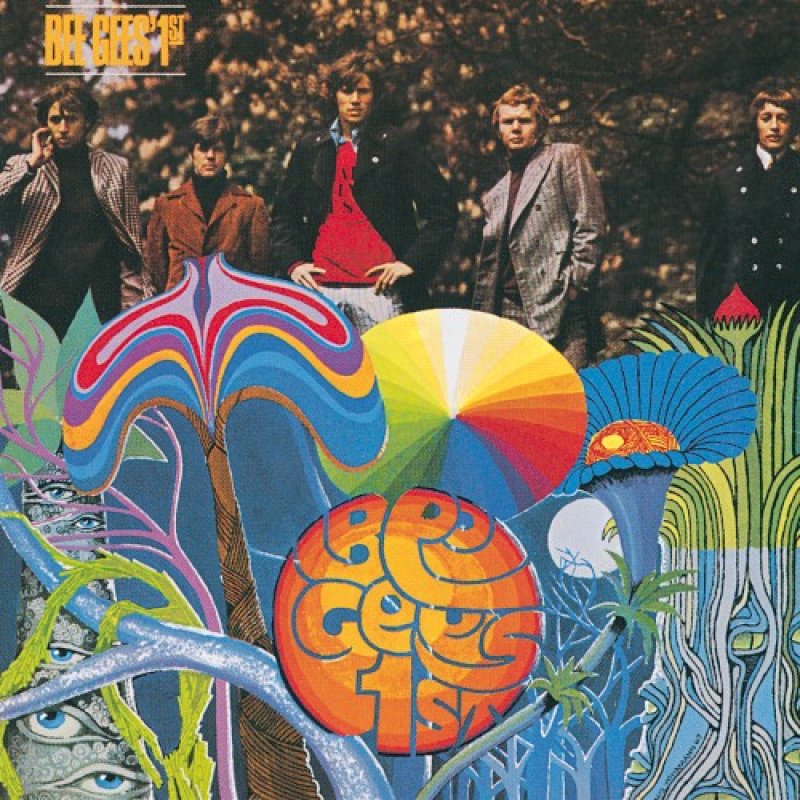
The recording of *To Love Somebody* took place in London, at IBC studios, during April 1967. It was released as the second single from the Bee Gees' international debut album, Bee Gees 1st, in June of the same year. While it didn't have a massive reception in the UK, reaching number 41, it did resonate in the United States, climbing to number 17. Barry Gibb himself reflected years later, in 2001, that the song, although offered to Otis Redding, was written with Robert Stigwood in mind, whom he deeply admired. This piece, described by Billboard as a smooth, easy-paced ballad, proved to be a significant starting point for the group's career, and its clear emotional message was something Barry Gibb highlighted as the main reason for its personal choice among all the songs he has written.
Over the years, *To Love Somebody* has become a standard, being covered by an impressive list of artists. From Nina Simone, Eric Burdon, Tom Jones, to Michael Bolton and Jimmy Somerville, each interpretation has brought its own nuance to this ballad. Jimmy Somerville's version in 1990, for example, became a worldwide hit, reaching the top ten in several countries. Later, in 1992, Michael Bolton included it on his album Timeless: The Classics, achieving a notable 11th place on the US Billboard Hot 100 and number two in Canada. The song was also recognized by NME magazine, which included it in its list of the 100 best songs of the sixties.
From album

Bee Gees’ 1st
Bee Gees
Details
Credits
Music Barry Gibb, Robin Gibb