The story behind
That Ole Devil Called Love, according to DoReSol
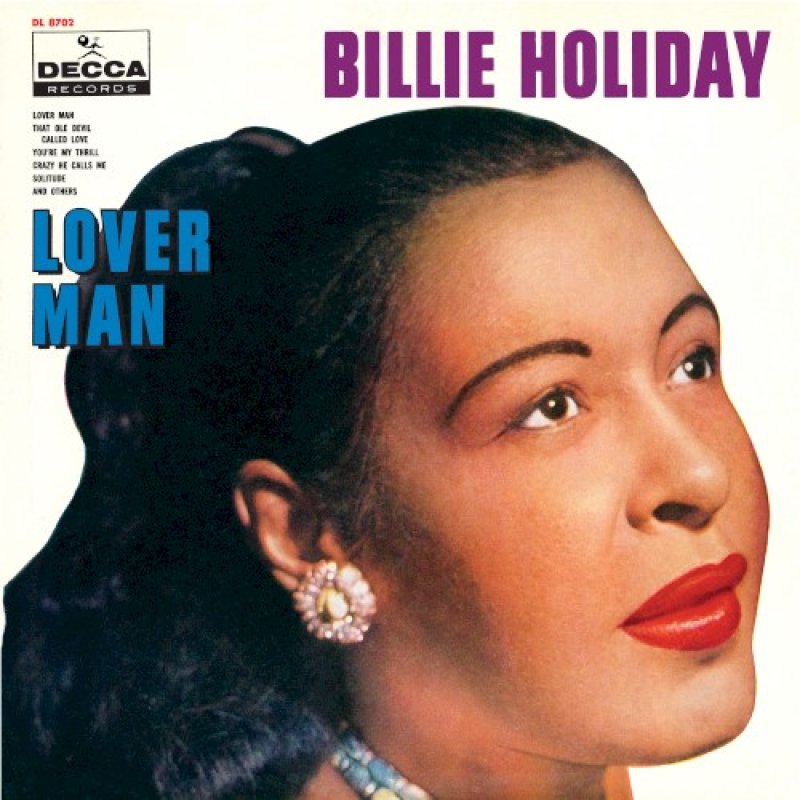
This song, *That Ole Devil Called Love*, has an interesting story that goes beyond its melody. It was written in 1944 by Allan Roberts and Doris Fisher. The first time we heard it recorded was in 1945, as the B-side to Billie Holiday's hit, *Lover Man*. Billie Holiday, born Eleanora Fagan Gough in Philadelphia in 1915, is a fundamental figure in jazz history, known for her unique style and profound expressiveness. Despite having no formal musical training, she learned by listening to giants like Bessie Smith and Louis Armstrong. Her life was marked by difficulties from a very young age, but she found in singing a form of expression and sustenance, beginning her career in the 1930s.
Decades later, in 1985, the song resurfaced with a new version performed by Alison Moyet. This reinterpretation, produced by Pete Wingfield, had a great impact, reaching number one in New Zealand for three weeks and peaking at number 2 in the UK, where it remained on the charts for ten weeks. Alison Moyet, whose career took off after the success of her debut album *Alf*, suggested recording *That Ole Devil Called Love* as an additional single to offer something new to her fans, rather than releasing another track from her album. The promotion of this single included a music video directed by Vaughan Arnell and Anthea Benton. The impact of this version led Moyet to comment in 2004 that she felt pressure to become a kind of jazz diva. Critics at the time, such as Marshall O'Leary of *Smash Hits*, described it as a "sugary" piece ideal for intimate moments, while Peter Trollope of the *Liverpool Echo* predicted it would be another big hit. Over time, other artists such as Tony Bennett, Ella Fitzgerald, and Diane Schuur have also recorded their own interpretations of this piece.
From album

Lover Man
Billie Holiday · 2005 · Track 2
Details
Credits
Music Allan Roberts, Doris Fisher, Kurt Weill