The story behind
Suck My Kiss, according to DoReSol
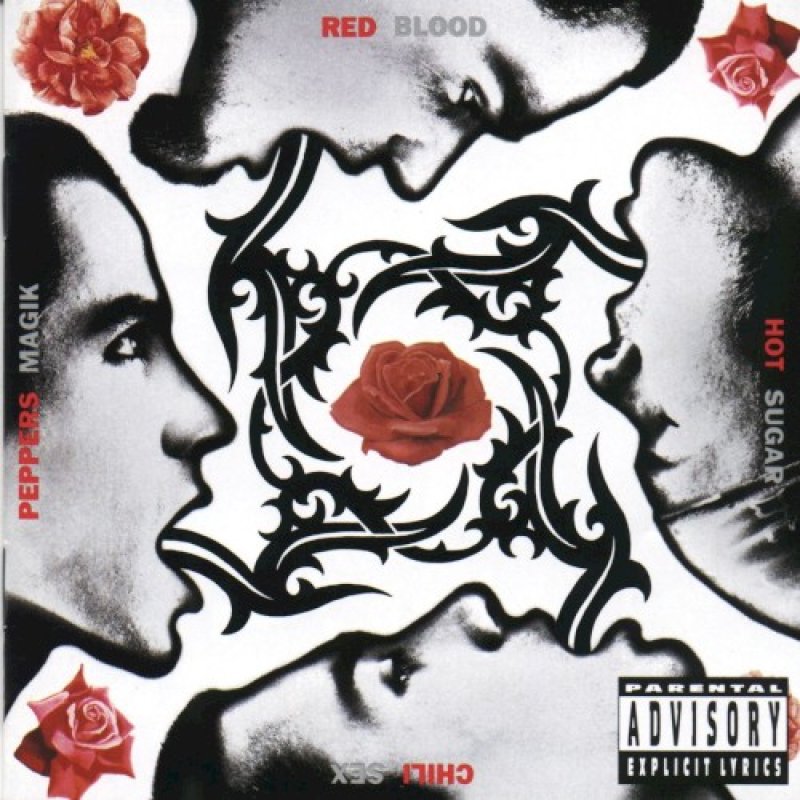
When you dive into Suck My Kiss, you encounter an energy that grabs you from the first second. It's the third track released from Blood Sugar Sex Magik, the album that truly put them on the international map. The song, released as a radio single in the United States in 1991 and then physically in Australia and New Zealand the following year, broke into the top 10 in those countries and reached number 15 on Billboard's Modern Rock Tracks chart. What's interesting is that the music video, released in May 1992, used footage from the documentary Funky Monks, directed by Gavin Bowden. Additionally, they included shots of the US military returning from the Gulf War, tinted red, something Anthony Kiedis mentioned in the audio commentary for the compilation Greatest Videos. This song has also appeared in shows like Beavis and Butt-head and Hindsight, and in video games like Guitar Hero III: Legends of Rock and NBA 2K15. Even a line from the lyrics was used in a segment of a Japanese show called Tamori Club, where they played with the phonetics of songs in other languages, transforming "Should have been, could have been, would have been..." into something resembling "White excrement, black excrement, Ben Wada."
The recording of Blood Sugar Sex Magik, released in September 1991, was a key stage for the Red Hot Chili Peppers. Produced by Rick Rubin, the album differed from their previous work, Mother's Milk (1989), by reducing heavy guitar riffs and enhancing John Frusciante's melodic ideas. The composition of Suck My Kiss is a collaborative effort between Flea, John Frusciante, Anthony Kiedis, and Chad Smith. The recording engineer was Brendan O’Brien. The album itself tackled themes such as sex, drugs, and death, but also lust and euphoria. Suck My Kiss, with its funk rock and funk metal style, became one of the most listened-to songs on the album, alongside other hits like "Under the Bridge" and "Give It Away". In 2021, Kerrang magazine ranked it seventh on its list of the band's best songs, and the following year, Rolling Stone placed it at number 11 on its ranking of the top 40.
From album

Blood Sugar Sex Magik
Red Hot Chili Peppers · 1991 · Track 5
Details
Credits
Music Anthony Kiedis, Chad Smith, Flea, John Frusciante