The story behind
Stop, according to DoReSol
The song Stop by Pink Floyd is a sonic brushstroke that, in just thirty seconds, marks a turning point within the album The Wall. It's not just its brevity that makes it special, but the moment it erupts. Right after the intensity of Waiting for the Worms, we hear a cry of "stop" that pulls us out of the maelstrom. In the visual narrative, we see Pink, the protagonist, sitting on the floor of a bathroom, reading some lines that come from as-yet-unpublished material by Roger Waters. Some of those phrases, such as "Do you remember me? How we used to be? Do you think we should be closer?", belong to Your Possible Pasts, while others come from 5:11AM (The Moment of Clarity). As he finishes reciting these words, the cubicle door opens, giving way to the animated introduction of The Trial. The recording of this piece, along with the rest of the album, took place between April and November 1979, and involved the production of Bob Ezrin, David Gilmour, James Guthrie, and Roger Waters himself. The recording engineer was James Guthrie.
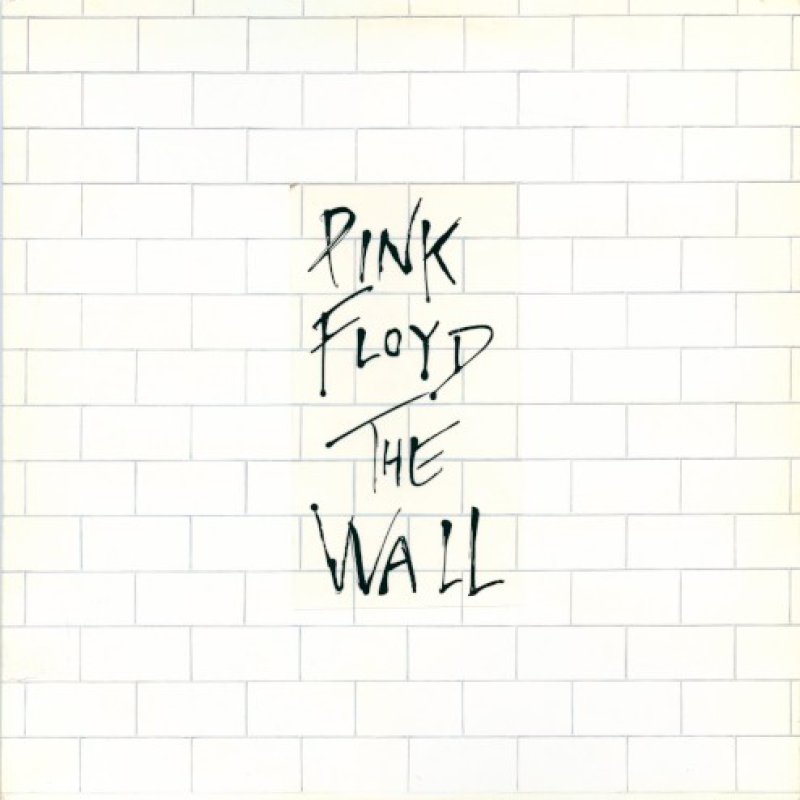
The Wall, released on November 30, 1979, in the United Kingdom and December 8, 1979, in the United States, is a rock opera that tells the story of Pink, a rock star who isolates himself from the world by building a wall. This album, released under the Harvest Records label in the UK and Columbia Records / Capitol Records in the US, was a commercial success. The music, categorized as art rock, was composed entirely by Roger Waters. The duration of Stop is 0:30, making it the shortest track in Pink Floyd's catalog. The album itself was conceived from ideas that Roger Waters had during the 1977 tour, drawing inspiration from his own experience and that of Syd Barrett. The band, originally from the UK, evolved from psychedelic rock towards progressive and symphonic rock, standing out for its philosophical lyrics, sonic experimentation, and live shows.
From album

The Wall
Pink Floyd · 1979
Details
Credits
Music Roger Waters