The story behind
Sono triste, according to DoReSol
Sono triste sounds like those Sunday mornings when Ornella Vanoni’s voice seeps through the radio as the coffee grows cold. It’s not a song you hear in the background: it demands attention, clings to the melody like an embrace, and doesn’t let go until the last chord. What makes it special isn’t just its rhythm— that sway between waltz and pop of the era— but how the lyrics intertwine with the music. There’s something in the way Ornella sings it that makes sadness sound less like defeat and more like familiar ground, as if we’ve all been there before.
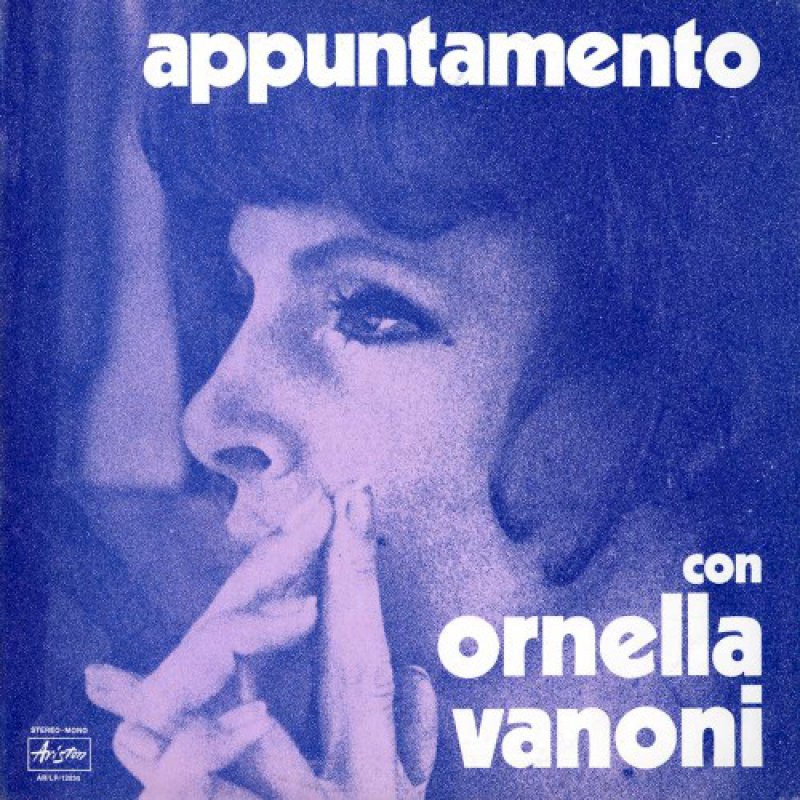
It was recorded in 1970, as part of an album that gathered loose songs and earlier hits. Appuntamento con Ornella Vanoni wasn’t meant to be a conventional studio record: it was more like a collage of what had already resonated on the radio, in festivals, on television. Sono triste arrived there as part of that puzzle of scattered pieces, but with a curious twist: Ornella had already performed it on Canzonissima in 1968, where the song had already left its mark. It wasn’t new, nor was it old: it was one of those melodies that sticks, and when gathered in the same album, it gained new meaning. The album, by the way, reached the fifth spot in sales— something uncommon in those years for a record that mixed so much recycled material.
From album

Appuntamento con Ornella Vanoni
Ornella Vanoni · 1970 · Track 4
Details