The story behind
Some Other Spring, according to DoReSol
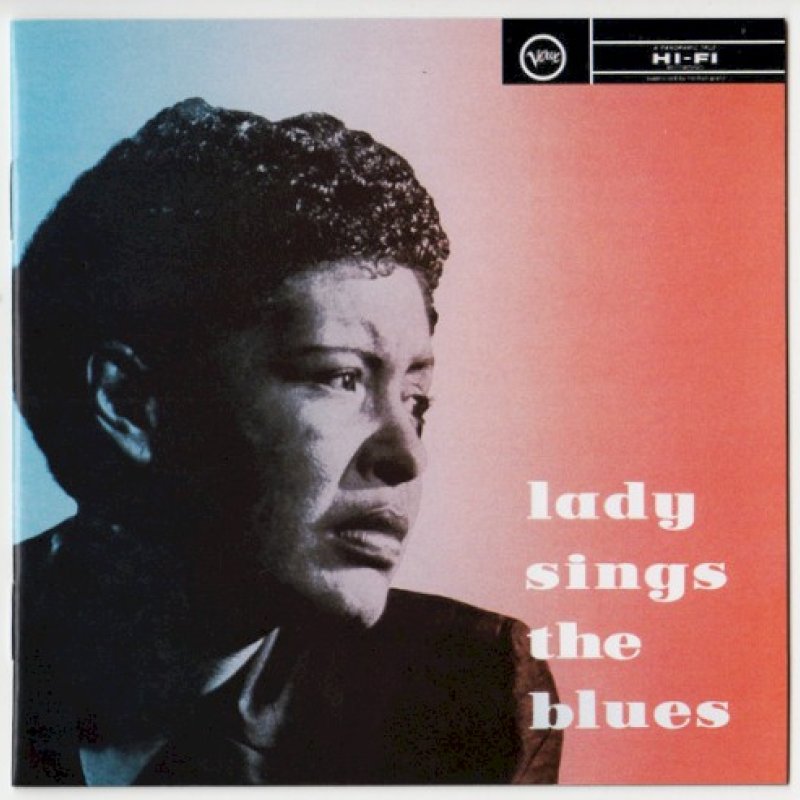
The story of Some Other Spring intertwines with the life of Billie Holiday, a figure whose career is as profound as her voice. While the song itself lasts 3:39, its resonance extends far beyond that time. Its connection to the album Lady Sings the Blues, which in turn inspired a 1972 biographical film, gives us a window into the complexity of her existence.
The film, directed by Sidney J. Furie, portrays Billie Holiday from her beginnings cleaning a brothel in Harlem to becoming a jazz star. In this narrative, music becomes a vehicle to explore her struggles, including her heroin addiction and the loss of loved ones. Diana Ross's portrayal of Holiday earned her an Oscar nomination in 1973, and the film also had a presence at the Cannes Film Festival that same year.
Born Eleanora Fagan Gough in Philadelphia in 1915, and also known as Lady Day, Billie Holiday is considered by many to be one of the most important voices in jazz. Her childhood, marked by the absence of her father, guitarist Clarence Holiday, and raised by relatives, was not simple. At ten years old, she suffered an abuse that led her to a reform school, and later, at twelve, she worked cleaning brothels. Her life took an unexpected turn in 1930, when, looking for money to avoid eviction, she entered a bar in Harlem. After a failed attempt as a dancer, she surprised the pianist with her singing and secured a steady job. Her musical training was self-taught, learning by listening to figures like Bessie Smith and Louis Armstrong.
From album

Lady Sings the Blues
Billie Holiday · 1956 · Track 10
Details
Credits
Music Arthur Herzog, Jr., Irene Kitchings