The story behind
Simple Twist of Fate, according to DoReSol
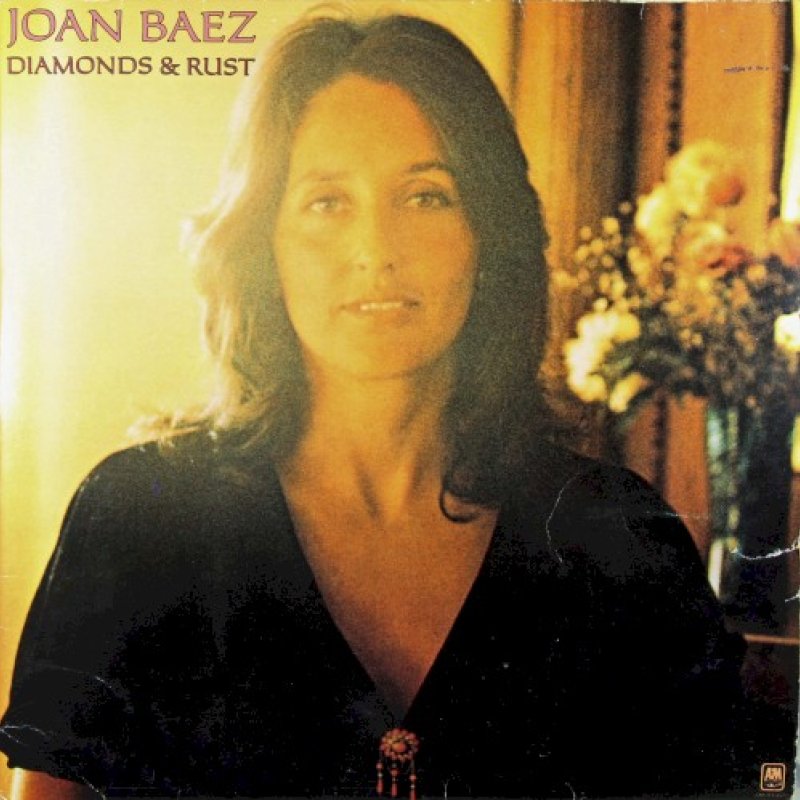
There are songs that, when played, invite you to unravel their story with each chord. *Simple Twist of Fate*, in the voice of Joan Baez, is one of those pieces. Although the original theme is by Bob Dylan, Baez's interpretation gives it a particular quality that resonates differently. The song delves into the melancholy of a relationship that was destined not to prosper, a story that unfolds in a fascinating way. What's interesting is how the narrative shifts from a third-person point of view to a first-person one, creating an intimacy that draws you closer to the character. It is said that the inspiration behind the lyrics might come from important figures in Dylan's life, such as Suze Rotolo, Joan Baez herself, or Sara Dylan. What's remarkable is that Dylan has continued to reinterpret this song over the years, even in his most recent performances on the *Never Ending Tour* up to 2024, demonstrating the vitality of his composition.
The musical structure of *Simple Twist of Fate* is a detail worth noting. It was composed in the key of E major, and its melody descends characteristically. Curiously, its chord structure closely resembles that of *Can't Take My Eyes Off You*, that 1967 hit by Frankie Valli, the work of Bob Crewe and Bob Gaudio. A scholar of Dylan, Jochen Markhorst, has praised the way the music merges with the lyrics, creating an almost magical effect in the rhyme. Instead of falling into the obviousness of using minor chords for melancholic lyrics, Dylan opts to keep most of the song in major, using minor only at key moments to accentuate the character's loneliness or desolation. The version recorded for the album *Blood on the Tracks* was made in Studio A at A&R Recording Studios in New York. Bob Dylan handled the vocals, guitar, and harmonica, accompanied by Tony Brown on bass. Several takes were needed, with three attempts on September 19, 1974, the last one being the one finally included on the record. *Rolling Stone* magazine recognized it as one of Bob Dylan's 100 best songs, describing it as a look at an idealized relationship crumbling due to uncontrollable forces, from the perspective of someone who has already moved on to superficial relationships.
From album

Diamonds & Rust
Joan Baez · 1975
Details
Credits
Lyrics Bob Dylan
Music Bob Dylan