The story behind
Ruta perdedora, according to DoReSol
Ruta perdedora begins with a piano that tangles in on itself, as if searching for an exit that doesn’t exist. The song doesn’t move in a straight line: each section stretches or contracts, and the bass draws lines that seem to get lost along the way. There’s a moment when Oscar Moro’s drums suddenly speed up, as if the rhythm wants to break free from the time signature, but the song drags it back. Charly García’s voice floats above it all, almost like a whisper that grows more urgent in the choruses, where the strings sound like a suspense film. It’s not a song you can grasp on the first try: it demands patience, because every note seems to carry a double meaning.Recorded at Ion Studios in 1977, Ruta perdedora emerged at a time when La Máquina de Hacer Pájaros had already shed its skin.
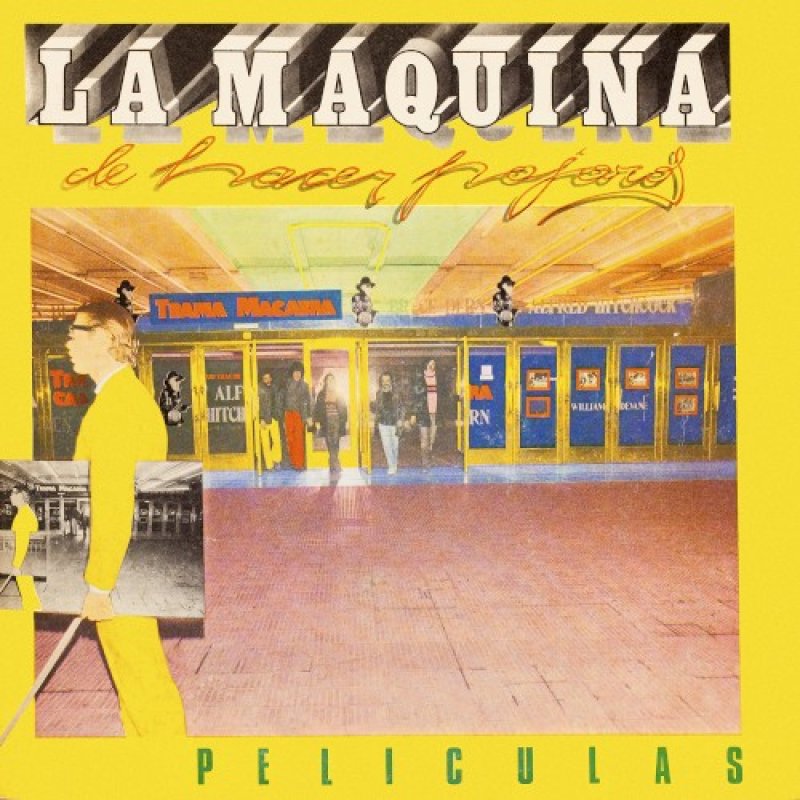
The album Películas, where it appears, was their studio farewell, and this track encapsulates that blend of elegance and chaos that defined them. The piano and synthesizer share the spotlight, while the drums set a pulse that never quite settles. There are no corrections or forced adjustments: the raw sound of the recording says it all. In 2007, the Argentine edition of Rolling Stone ranked it among the 100 best albums of national rock, but at the time, they were simply seeking a different path—one no one else was taking.
From album

Películas
La Máquina de Hacer Pájaros · 1977 · Track 7
Details
Credits
Lyrics Charly García
Music José Luis Fernández