The story behind
Rocky Raccoon, according to DoReSol
The story of "Rocky Raccoon" transports us to an Old West tale, with a touch of humor and a structure that evokes saloon ballads. The main character, Rocky, finds himself in a complicated situation: his girlfriend, Lil, leaves him for another man named Dan. The lyrics describe how Rocky, after being punched in the eye by Dan, decides to seek revenge. He takes refuge in a saloon, finds a Gideon Bible, and, armed with his determination, confronts Dan in the room he shares with Lil. However, the confrontation ends with Dan overpowering Rocky and shooting him. A somewhat drunk doctor attends to Rocky, who insists the wound is not serious. Upon returning to his room, Rocky sees the Bible and interprets it as a sign of recovery.
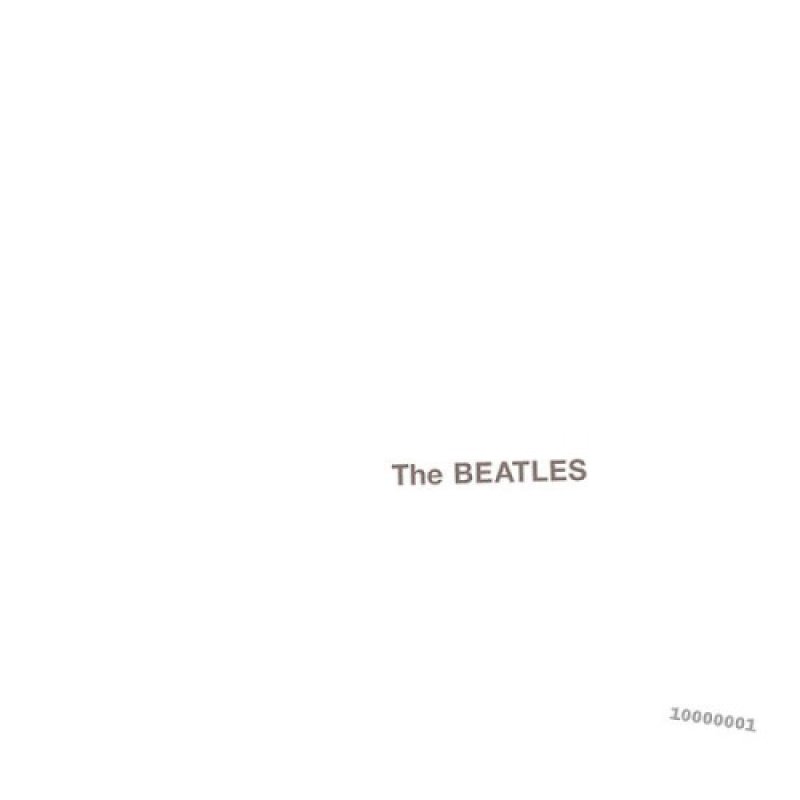
The composition of this piece, attributed to Paul McCartney and John Lennon, has its roots in a transcendental meditation retreat in Rishikesh, India, in early 1968. There, McCartney began to shape the song. Curiously, John Lennon and the Scottish singer Donovan also contributed ideas to the track. The musical style, described as country-ragtime, is enhanced by the distinctive sound of the honky-tonk piano, played by producer George Martin. This piece is also the last on which John Lennon's harmonica can be heard. The title, originally "Rocky Sassoon," was modified by McCartney to "Rocky Raccoon" because he believed it sounded more like a cowboy. It is said that the inspiration for the name "Rocky" might have come from Roky Erickson, vocalist of the band 13th Floor Elevators. On the other hand, historian Kenneth Womack suggests that McCartney was inspired by Robert W. Service's poem "The Shooting of Dan McGrew." Canadian photographer Paul Saltzman has also shared the belief that the lyrics were based on a story he told McCartney in Rishikesh about his girlfriend who had left him. In a later reflection, McCartney acknowledged that the song's style was a parody of folk singers. The song was recorded in August 1968 at EMI studios in London and is part of the double album The Beatles, also known as the White Album, released in November 1968.
From album

The Beatles
The Beatles · 1968 · Track 13
Details
Credits
Music Paul McCartney, John Lennon