The story behind
Pueblo blanco, according to DoReSol
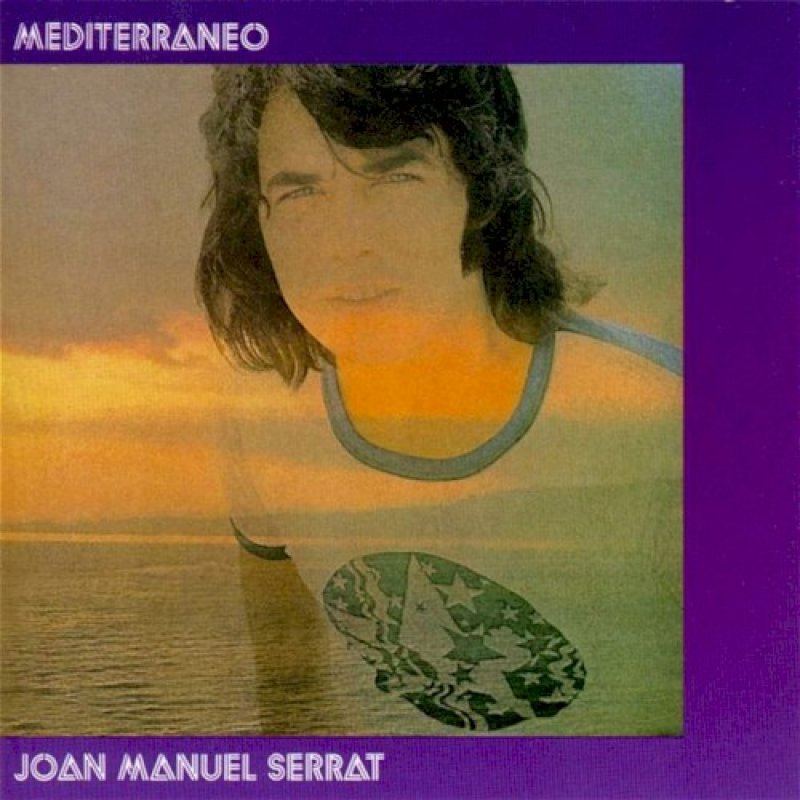
The song Pueblo Blanco, part of the iconic album Mediterráneo by Joan Manuel Serrat, transports us to rural Spain of the mid-20th century. Beyond a mere description, Serrat weaves a narrative that addresses depopulation, the passage of time, and rebellion against a predetermined fate. The lyrics, born in the Batlle hotel in Calella de Palafrugell, on the Costa Brava, evolved from an initial idea about a woman named María la Negra into a portrait of life in an inland village, with echoes of the Belchite area, the birthplace of his mother. Serrat employs poetic devices such as hyperbaton and metaphors to bring to life characters like the sacristan, the priest, and the Civil Guard corporal, reflecting the aging and inertia of rural life. The composition is structured in three parts: a first that describes the setting and reflects on existence, a second that explores the concerns of its inhabitants, and a third that issues a call to youth to challenge the future and escape decay.
The recording of Pueblo Blanco, along with the rest of the songs on the album Mediterráneo, took place in Milan over five days, under the production of the record label Zafiro. The orchestration was led by Antoni Ros-Marbá, with the collaboration of Gian Piero Reverberi and Juan Carlos Calderón in the arrangements. This album, released in 1971, is considered a masterpiece of Spanish music, both by critics and the public. In fact, in 2004, a specialized publication ranked it third on a list of the hundred best Spanish albums of the 20th century, and in 2007 it was inducted into the Latin Grammy Hall of Fame. The song, with its message about rural emigration and a spirit of defiance against the system, became a recurring theme in Serrat's concerts and has been performed by other artists such as Lucecita Benítez and Malena Muyala.
From album

Mediterráneo
Joan Manuel Serrat · 1971
Details
Credits
Lyrics Joan Manuel Serrat
Music Joan Manuel Serrat