The story behind
Polythene Pam, according to DoReSol
The song Polythene Pam, which is part of The Beatles' album Abbey Road, is distinguished by its energy and its direct connection to the album's narrative. It is the fourth piece in the extensive medley that closes side B of the album, and it was recorded continuously with She Came In Through the Bathroom Window, the song that follows it. The original composition by John Lennon, credited to Lennon–McCartney, was born during the band's stay in India in 1968. Although not formally included in The Beatles (known as "the White Album"), a demo of this piece was recorded at George Harrison's house in Kinfauns before the main sessions. Lennon himself later described it as "a bit of rubbish I wrote in India".
The inspiration for Polythene Pam dates back to an encounter in Jersey. Lennon recalled a woman dressed in polythene, a detail he expanded upon in the lyrics, and a man who was the British answer to Allen Ginsberg, a writer he had known since his Cavern Club days. The song evokes the image of a female figure from Liverpool, dressed in boots and a skirt, described as a "mythical Liverpool scrubber". The name "Polythene Pam" comes from an early fan of The Beatles, Pat Hodgett (now Dawson), who had the peculiar habit of eating polythene. The basic recording of Polythene Pam and She Came in Through the Bathroom Window took place at EMI Studios in London on July 25, 1969. The lineup included Lennon on 12-string acoustic guitar, Harrison on lead guitar, Paul McCartney on bass, and Ringo Starr on drums. During the guitar solo, shouts of encouragement from Lennon can be heard, which remained in the final mix. The piece links musically and narratively with Mean Mr. Mustard, as the latter mentions the main character's sister, Pam. The recording was completed on July 30, 1969, with vocal, guitar, and percussion overdubs.
From album

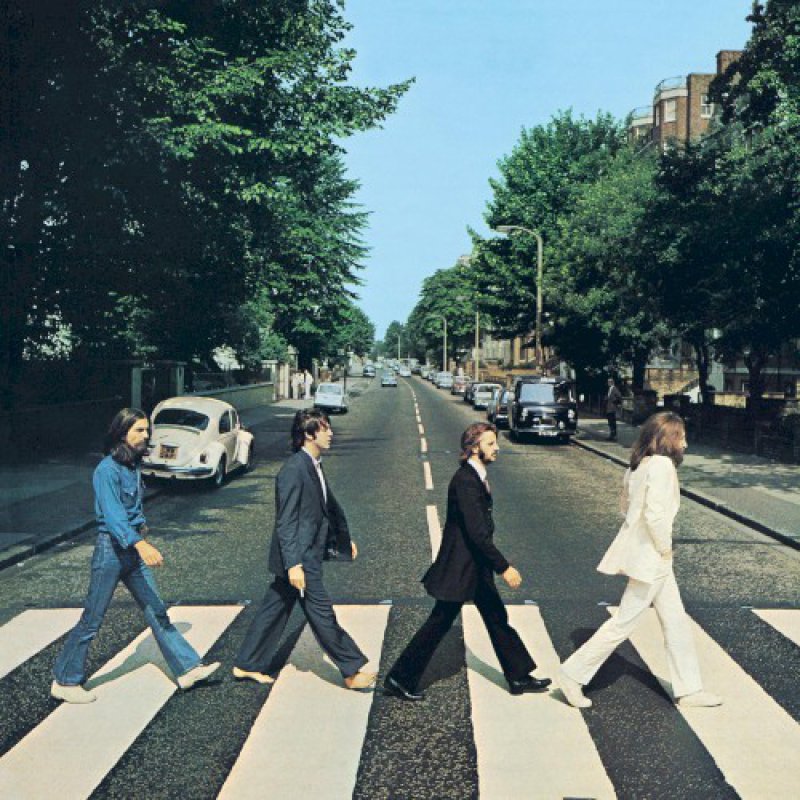
Abbey Road
The Beatles · 1969
Details
Credits
Music Paul McCartney, John Lennon