The story behind
Peggy Sue, according to DoReSol
This song doesn’t sound like any other from its era: the drum roll that opens the track isn’t just a simple hit, but a signature. Jerry Allison, The Crickets’ drummer, built it with paradiddles that are heard and fade into the air, almost as if the sound were breathing. Norman Petty achieved the trick in his studio in Clovis, New Mexico, playing with real-time equalization so that the snare hits gained that playful yet urgent air. The story behind the name is also curious: it was first called Cindy Lou, in honor of Buddy Holly’s niece, but ended up as Peggy Sue after Allison’s girlfriend, Peggy Sue Gerron, who years later admitted in her autobiography that she felt "so embarrassed I could have died" when she first heard it live in 1957.
The recording took place over two sessions, on June 29 and July 1, 1957, with borrowed equipment and in a space that today would barely qualify as a garage. The single was released on September 20 of that same year, with Everyday on the B-side, and although Buddy Holly wasn’t initially credited as a co-writer, Allison insisted on including him after his death. The result was a hit that reached number three on the Billboard Top 100 in 1957, and decades later, in 1999, the song entered the Grammy Hall of Fame and the NPR 100 list as one of the most important musical works of the 20th century. Holly even recorded a sequel, Peggy Sue Got Married, in his apartment in New York City a year later, though the commercial version drowned out his voice with added guitars and choirs.
From album

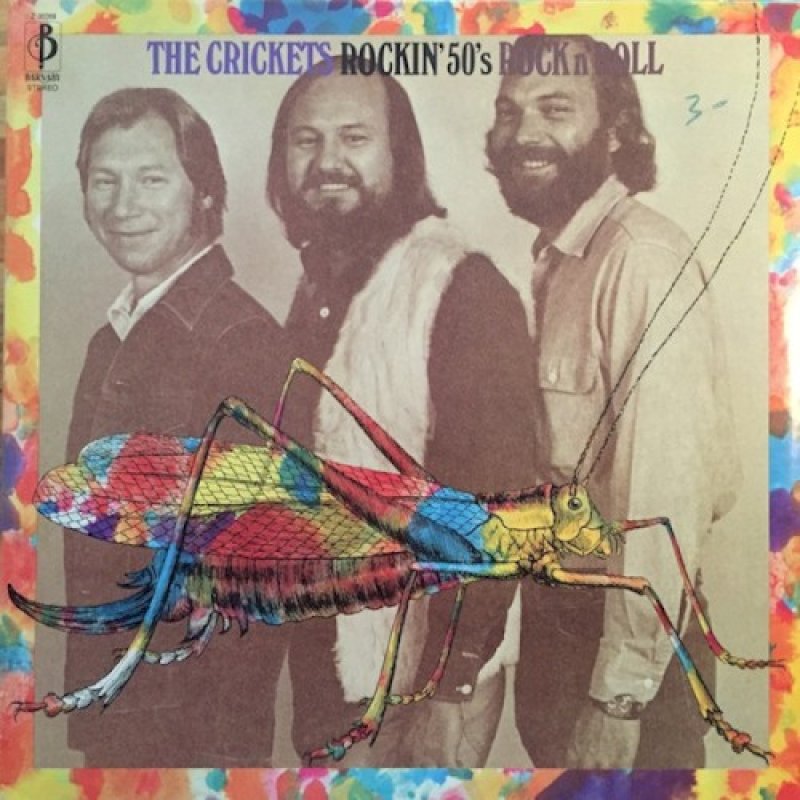
Rockin’ 50’s Rock n’ Roll
The Crickets · 1971 · Track 5
Details
Credits
Music Buddy Holly, Norman Petty, Jerry Allison