Chords in progress
We have not analyzed this song audio yet. Once it is ready, you will see the chord player synced with the video.
The story behind
No Woman, No Cry, according to DoReSol
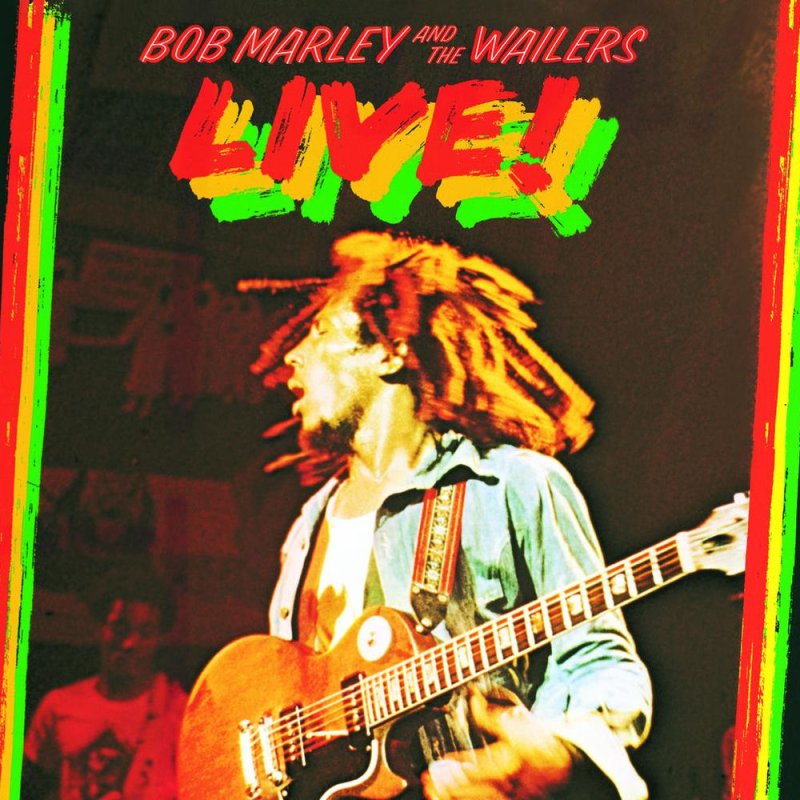
The most recognized version of No Woman, No Cry is not the one released on the studio album, but the live recording made at London’s Lyceum Theatre a year later. On the night of July 17, 1975, Bob Marley and his band performed in front of an audience already feeling the weight of his lyrics, yet it was on that stage where the song became more than a track: it turned into a ritual. The smoke from cigarettes, the sweat on the instruments, and Marley’s raspy voice stretching the "no cry" in the chorus made the air vibrate differently. What’s curious is that the studio version, released in 1974 on the album Natty Dread, used a drum machine instead of acoustic drums, but it was that raw, live take—with its unfiltered energy—that ended up blasting from speakers worldwide. To this day, when someone mentions No Woman, No Cry, nearly everyone thinks of that 1975 recording, the one later inducted into the Grammy Hall of Fame and ranked 37th on Rolling Stone’s list of the 500 greatest songs of all time.
Behind this song lies a detail often overlooked: the songwriting credit isn’t solely Marley’s. While he composed the melody, the track was registered under the name of Vincent Ford, a friend who ran a soup kitchen in the Government Yards of Trenchtown, the neighborhood where Marley grew up in Kingston. The royalties Ford received helped keep that place open—a place many saw not just as a soup kitchen, but as a sanctuary. The lyrics, written in Jamaican Patois, don’t offer empty comfort; they speak of a very real pain, the pain of Trenchtown, where hunger and hope mingled on every corner. When Marley sings *"in a government yard in Trenchtown"*, he isn’t referencing just any place: he’s reminding listeners where he came from and why this song mattered so deeply. The studio version, with its minimalist arrangement and Jean Roussel’s Hammond organ, already carried that essence, but it was the live performance where the message took on flesh. Even decades later, artists like the Fugees reimagined it in 1996, swapping *"Trenchtown"* for *"Brooklyn"* in their version, yet preserving the blend of nostalgia and resilience that has always defined the song.
From album

Burnin’
Bob Marley & The Wailers · Track 5
Details
Credits
Lyrics Vincent Ford
Music Vincent Ford