The story behind
Burnin’ and Lootin’, according to DoReSol
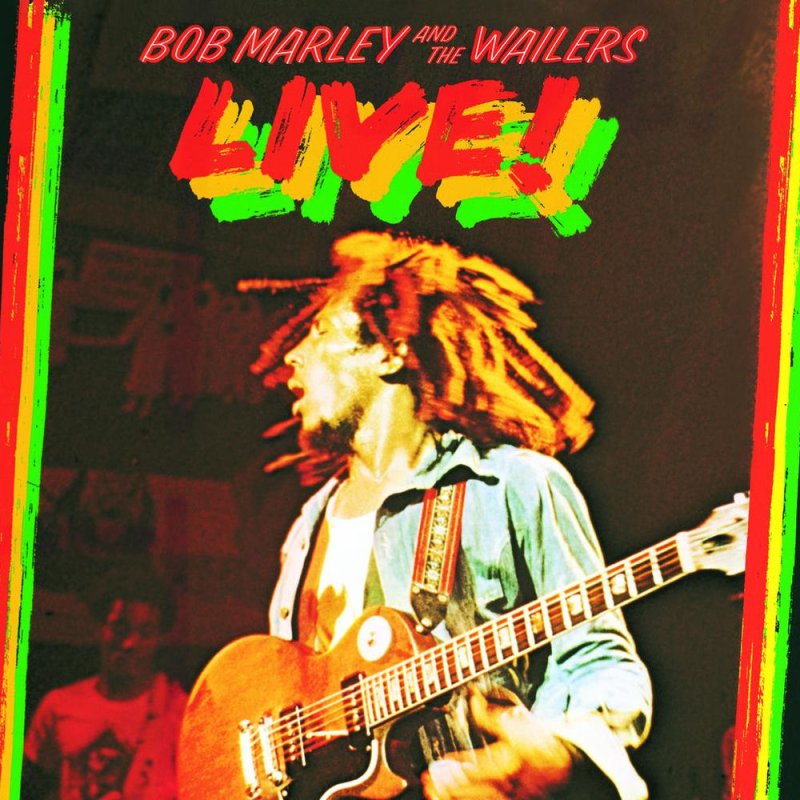
The first time you listen to Burnin’ and Lootin’, Aston "Family Man" Barrett’s bassline grabs you by surprise. It’s not a rhythm that drags; it’s one that advances with an urgency that won’t let up: the bass and drums twist into a pattern that seems to slip free from conventional time, as if time itself were about to shatter. Marley steps in with his voice, and the message lands directly, without detours. He doesn’t ask permission to speak about what’s wrong, but he doesn’t linger in complaint either: it sounds like a warning, a call to action, with that mix of fury and melody only he could pull off. The song doesn’t stay in the political or social realm; it pulses with something more primal, as if the track itself breathes the heat of a blaze.
They recorded it in 1974, in Jamaica, with equipment that wasn’t from a luxury studio—but in the hands of the Barretts and the others, it became the perfect ally. Marley wrote it at a time when the band was no longer just a trio, but a force with more arms and voices: the Barrett brothers leading the rhythm, Junior Marvin and Al Anderson weaving guitars that intertwine without losing clarity, and Tyrone Downie and Earl "Wya" Lindo’s keyboards adding layers that keep the track from ever feeling flat. The I Threes—Rita, Judy, and Marcia—lend that choral brilliance that heightens the intensity without dimming the raw edge of the lyrics. It wasn’t a luxury record, but it ended up being one of those recordings that need nothing more than their own energy to stay etched in memory.
From album

Burnin’
Bob Marley & The Wailers · Track 1
Details