Chords in progress
We have not analyzed this song audio yet. Once it is ready, you will see the chord player synced with the video.
The story behind
Lively Up Your Self, according to DoReSol
Recorded in a single take with the amplifiers at full blast and sweat dripping down the musicians' necks, Lively Up Your Self doesn’t sound like a song that was rehearsed: it sounds like a cry of relief. In two and a half minutes, the band manages to make reggae abandon its usual hypnotic rhythm and become a call to move, with an energy that seems to burst out of the studio. The bass of Aston "Family Man" Barrett weaves a melodic line that intertwines with the rhythm of Carlton Barrett on drums, while the guitars of Junior Marvin and Al Anderson take turns launching sharp riffs that cut through the air like knives. It’s no coincidence that, decades later, DJs around the world still use this track to kick off parties: it sounds like music that doesn’t ask permission to play loud.
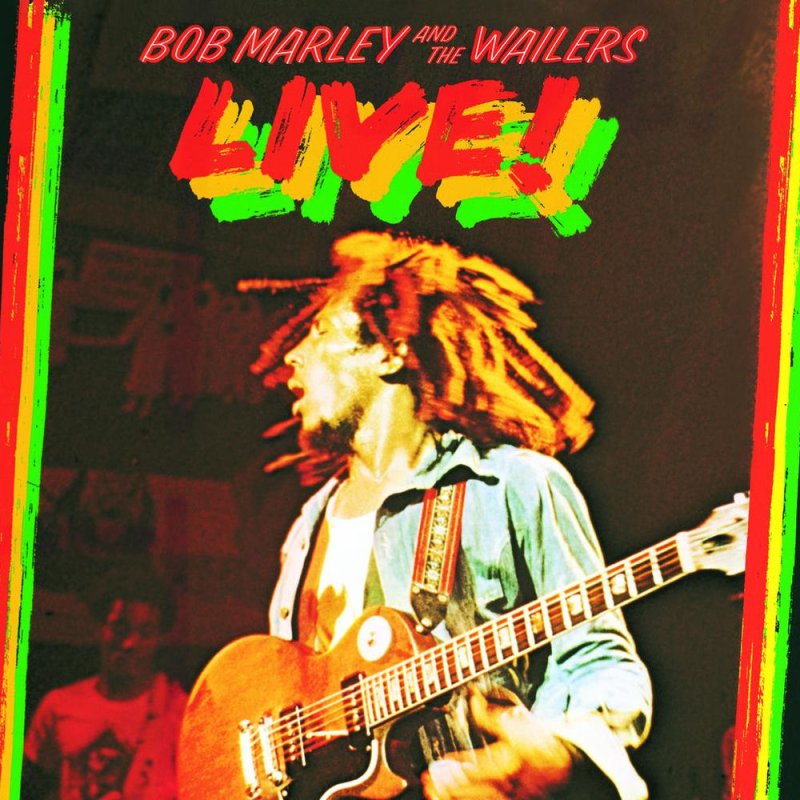
The song was born in 1974, when Bob Marley had already left behind the days of the original The Wailers and was assembling a new project with the musicians who would accompany him in his leap to stardom. Marley played guitar, but the magic of this track lies in how the band — with Tyrone Downie and Earl "Wya" Lindo on keyboards, and the vocals of Rita Marley, Judy Mowatt, and Marcia Griffiths on backing vocals — makes every instrument breathe in unison. There are no studio retouches or edits: the raw sound you hear is the same one they felt in the moment of recording. That’s why, when the track ends abruptly, as if someone had cut the power, it leaves the impression that the song was never fully finished being recorded.
From album

Burnin’
Bob Marley & The Wailers · Track 4
Details