The story behind
My Man’s Gone Now, according to DoReSol
The first time I heard My Man’s Gone Now by the Bill Evans Trio, I understood why jazz musicians speak of that day at the Village Vanguard as if it were a moment suspended outside of time. It’s not just a song: it’s an intimate dialogue where the piano, double bass, and drums move as if they knew this would be their last recording together. Evans, LaFaro, and Motian played five sets that June 25, 1961, but in this piece, the trio sounds so connected it’s as if they had spent years rehearsing that single moment. LaFaro, who would die eleven days later in an accident, leaves behind a bass line that doesn’t follow but breathes with the piano, as if each note were a held breath. The track, at six minutes and twenty seconds, doesn’t progress: it unfolds, as if time had stopped so the three could say something they would never repeat.
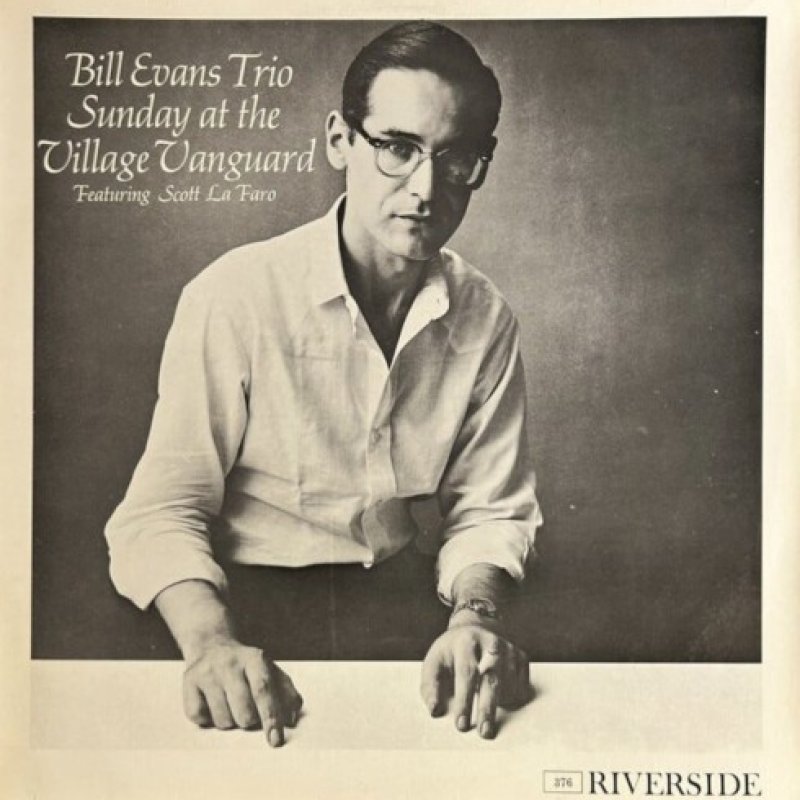
The album Sunday at the Village Vanguard emerged from a spontaneous session at the New York club, where the trio improvised material for hours without knowing it would be their farewell. Riverside Records had only expected an album from that day, but LaFaro’s death turned those recordings into a unique document: the last testament to a musical alchemy that would never exist again. Evans, always meticulous with arrangements, let the piano and bass intertwine without a script, as if he knew that freedom was the only possible language for a goodbye. LaFaro, with his bow, sketches melodies that Evans picks up like echoes, while Motian marks the time with a precision that never disrupts the flow. There are no corrections, no alternate takes: just the raw sound of three musicians who, without knowing it, were playing their own elegy.
From album

Sunday at the Village Vanguard
Bill Evans Trio · 1961 · Track 2
Details