The story behind
Mr. Crowley, according to DoReSol
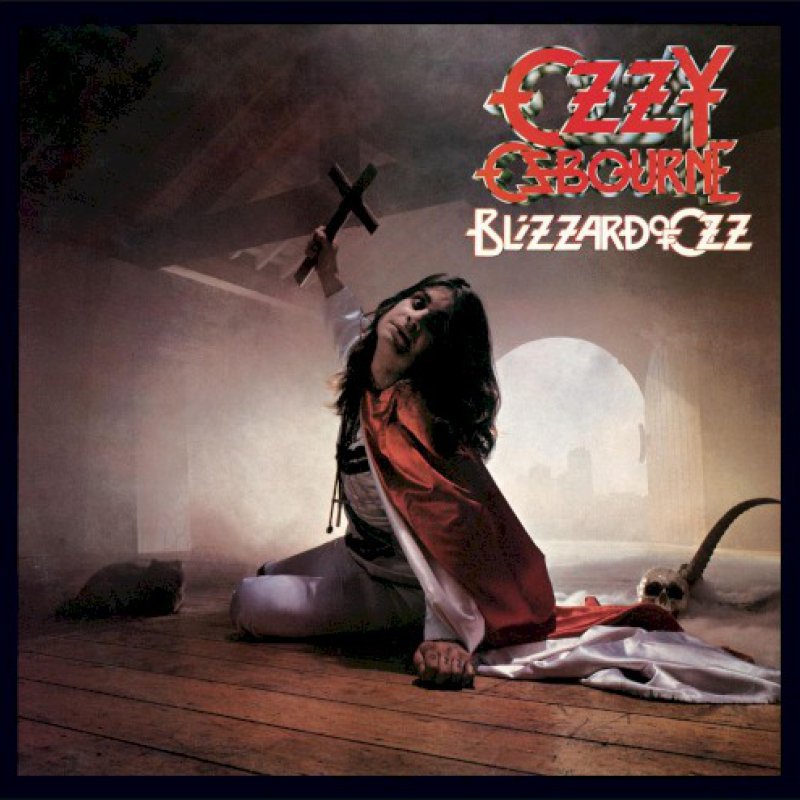
The first chord that sounds in Mr. Crowley is not from a guitar: it's a funeral organ that Don Airey recorded in a single take, without prior rehearsals. Ozzy Osbourne entered the studio, listened to the passage, and told the keyboardist: "You just connected with what I have in my head." That moment set the tone of the song even before Randy Rhoads played his first solo, now considered one of the most influential in heavy metal. The piece not only opens the album Blizzard of Ozz with a dark and ceremonial atmosphere, but also defines the sound Osbourne was seeking for his solo debut: a blend of the mystical and the aggressive, where the legend of Aleister Crowley merges with the raw energy of three musicians who were just beginning to explore their own language.The song was born from two random triggers: a book Osbourne had read about Crowley — the English occultist who called himself "the most wicked man in the world" — and a deck of tarot cards that appeared in the studio while they were recording.
The track does not delve into Crowley's doctrines, but rather captures his public image: a man who defied the establishment, surrounded by rituals and mysteries. Rhoads, Daisley, and Osbourne worked without a prior script, letting improvisation guide the tempo changes and instrumental passages. The result was a structure that broke with the rock canons of the time: Airey's organ sets an ominous mood, Rhoads' riffs advance with surgical precision, and Osbourne's voice oscillates between a whisper and a scream, as if he were sharing a half-secret. Recorded between March and April 1980 in England, the track was released as the album's second single in 1981, following the success of Crazy Train, and ended up becoming an instant anthem for a generation seeking something more than conventional anthems.
From album

Blizzard of Ozz
Ozzy Osbourne · 1980 · Track 6
Details
Credits
Lyrics Ozzy Osbourne, Bob Daisley, Randy Rhoads
Music Ozzy Osbourne, Bob Daisley, Randy Rhoads