The story behind
Mary Had a Little Lamb, according to DoReSol
Mary Had a Little Lamb is not just another track on the album, but that moment when electric blues becomes so raw it almost hurts. In just two minutes and forty-seven seconds, Vaughan and his band Double Trouble turned a children’s song into a full-throttle amplifier roar, where every note sounds as if the guitarist is about to snap the strings. There’s no filler, no unnecessary embellishments: the opening riff crashes in like a train and stays there, unyielding, uncompromising. What could have been a nostalgic exercise—since the original song dates back to the 1970s—becomes a journey where the blues doesn’t ask for permission; it simply demands attention.Recorded in three days at Jackson Browne’s personal studio, this version was born out of urgency: Vaughan and his band had been playing these songs live for months, so by the time they arrived, the sound was already rehearsed down to the last detail.
The result was an album that, in 1983, shook North America’s charts. On the Billboard 200, it reached position 38, and on Pop Albums, position 64. But the most striking feat was that Texas Flood became the best-selling blues album in nearly two decades. The single Pride and Joy even climbed to position 20 on the Mainstream Rock chart, proving that blues could go mainstream without losing its soul. The mix was handled by Lincoln Clapp, Harry Spiridakis, and Don Wershba, while behind the controls stood John Hammond, Mikie Harris, Richard Mullen, and Vaughan himself—all sharing the same goal: to capture that unfiltered energy that only happens when music flows without barriers.
From album

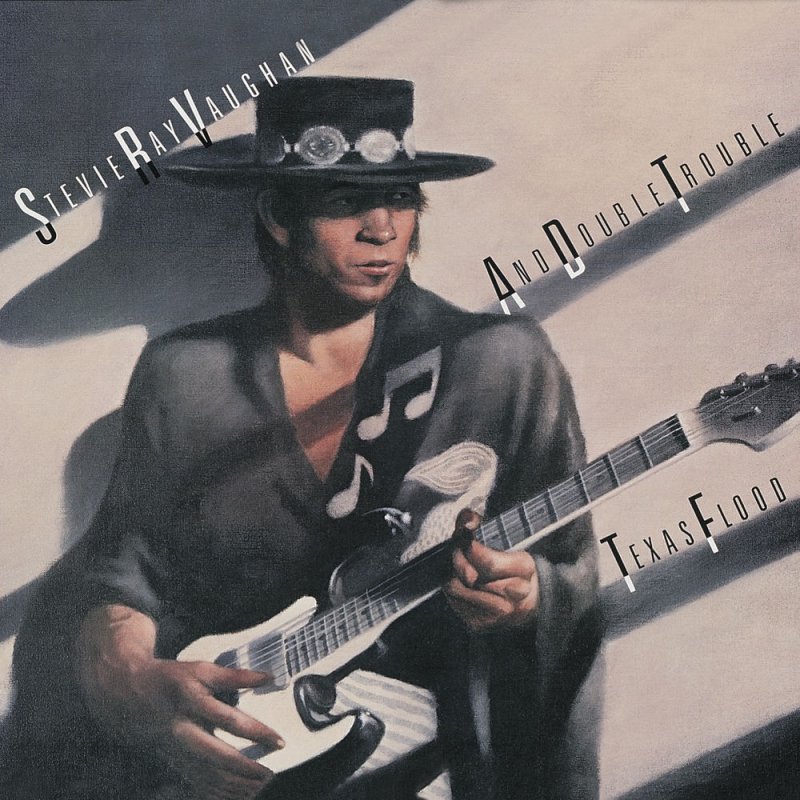
Texas Flood
Stevie Ray Vaughan and Double Trouble · 1983 · Track 7
Details
Credits
Lyrics Sarah Josepha Hale
Music Buddy Guy