The story behind
Love Me, according to DoReSol
When you immerse yourself in the melody of Love Me, you encounter a peculiarity that distinguishes it within the Bee Gees' repertoire. Unlike many of their creations from the mid to late seventies, where Barry Gibb usually took the lead vocals, in this song it is Robin Gibb who takes the microphone, contributing his characteristic vibrato. Barry joins in the middle section, heard at the end, adding another layer to the vocal performance. This alternation in lead vocals, with Robin also using falsetto in the chorus of his 1985 solo track Remedy and in 1979's Living Together, gives Love Me a special nuance. The lyrics, reflecting on the difficulty of seeing things from a woman's perspective when love fades, lend themselves to this vocal delivery.
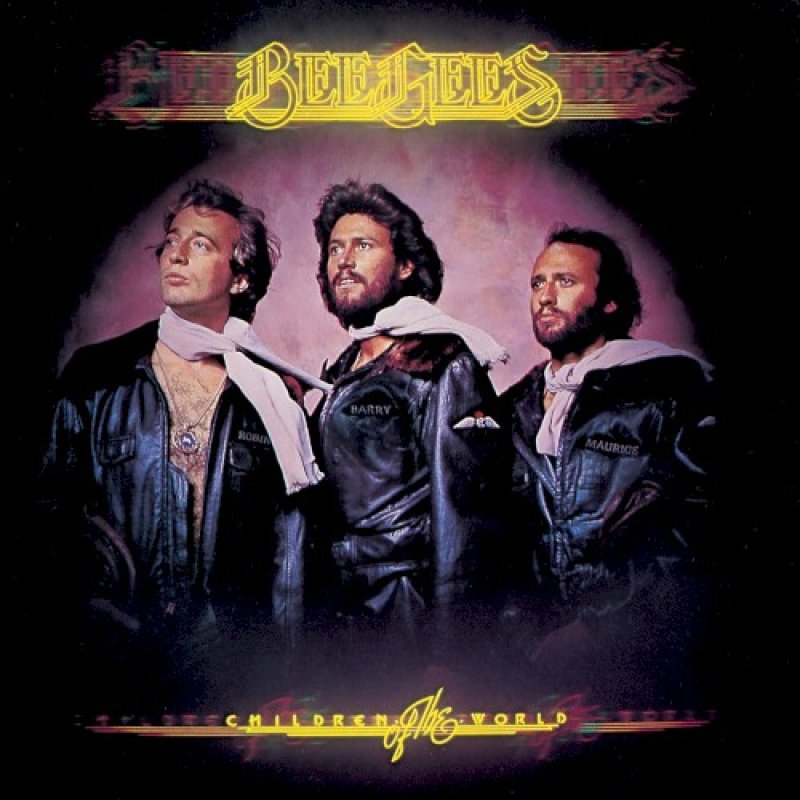
The gestation of Love Me took place in two different studios during the spring of 1976. Recording began on March 30 at Criteria Studios in Miami, and concluded on April 25 at Le Studio, in Quebec, Canada. This track is part of the album Children of the World, released in September of the same year. This album marked the beginning of the collaboration between the production team of Gibb, Galuten, and Richardson, who would later work together on numerous successful projects. The album, which also includes You Should Be Dancing, is considered by some as a prelude to the Bee Gees' foray into disco music, which would reach its peak the following year with the soundtrack for Saturday Night Fever. The song Love Me has been reinterpreted by other artists, such as Yvonne Elliman, whose version reached the top spots in several countries, and Martine McCutcheon, who released it as a charity single in 1999, accompanied by a children's choir.
From album

Children of the World
Bee Gees · 1976
Details
Credits
Music Barry Gibb, Maurice Gibb, Robin Gibb