Chords in progress
We have not analyzed this song audio yet. Once it is ready, you will see the chord player synced with the video.
The story behind
La Vie en rose, according to DoReSol
When Édith Piaf composed La Vie en rose in 1945, not everyone believed in its potential. Her songwriting team and colleagues considered it less impactful than her other creations. She herself had doubts, keeping it for a while, but the following year she decided to give it a chance. The first time she performed it publicly was in 1946, and the audience welcomed it with enthusiasm. The song, with its message of the joy of finding true love, particularly resonated with those who had lived through the harsh period of World War II. It was this song, with a duration of 3:07, that catapulted Piaf to international fame.
The music for La Vie en rose is attributed to Louiguy, although it is believed that Robert Chauvigny may have collaborated on its completion. The lyrics, on the other hand, are the work of Édith Piaf herself. There was a time when Piaf proposed the song to Marguerite Monnot, but she rejected it. Finally, it was Louiguy who agreed to sign the music. Curiously, before it was officially recorded, Piaf performed it live. A colleague, Marianne Michel, even sang it with a slight modification to the lyrics, changing "les choses" to "la vie". The song's name might have an earlier origin, as in 1943, Piaf performed at a nightclub precisely called "La Vie en Rose". The song became very popular in the United States in 1950, with seven different versions reaching the Billboard charts, performed by artists such as Tony Martin, Paul Weston, Bing Crosby, Ralph Flanagan, Victor Young, Dean Martin, and Louis Armstrong.
From album

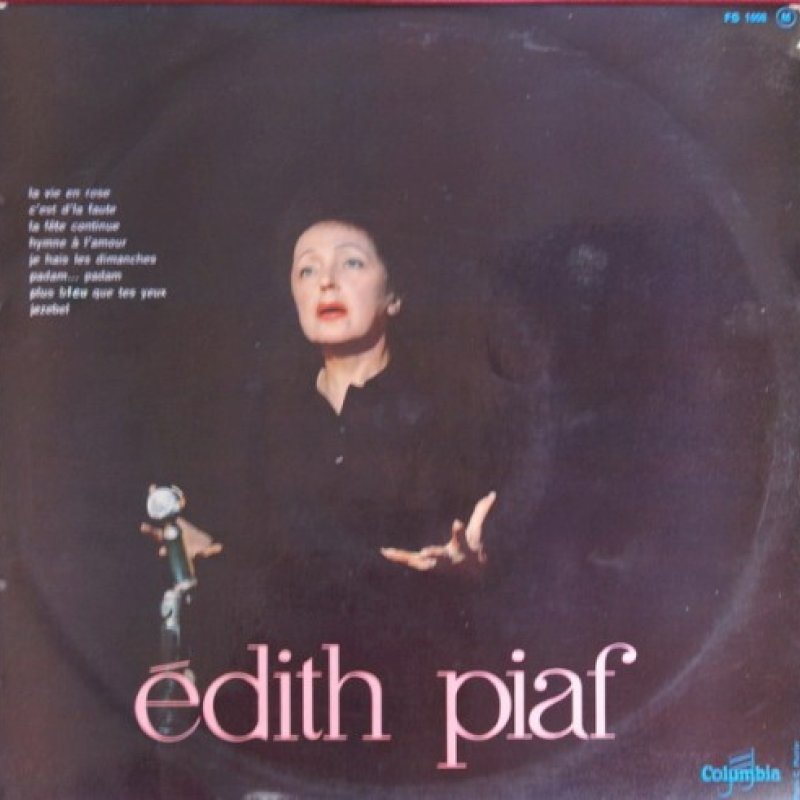
La Vie en rose
Édith Piaf · 1952
Details
Credits
Lyrics Édith Piaf
Music Édith Piaf, Louiguy