Chords in progress
We have not analyzed this song audio yet. Once it is ready, you will see the chord player synced with the video.
The story behind
Hymne à l’amour, according to DoReSol
When you immerse yourself in Hymne à l’amour, you encounter a raw expression of devotion that transcends time. The song, with its title evoking an ode, is a direct reflection of the intensity that Édith Piaf poured into each performance. Her voice, laden with palpable emotion, takes you through the deep connection she felt for her beloved, a feeling so powerful it becomes the central axis of the piece. It is that total surrender, that exposed vulnerability, that makes the melody resonate in such an intimate way, almost as if you were listening to a shared secret.
The story behind this piece is intertwined with the life of Édith Piaf herself, born Édith Giovanna Gassion in Paris, France. Her career, which extended until her death in Plascassier, near Grasse, in the Alpes-Maritimes region, established her as a fundamental figure in Francophone music. Songs like Non, je ne regrette rien, La Foule, and Milord are just a few examples of her vast repertoire, but Hymne à l’amour stands out for its personal and passionate approach. Her influence was not limited to her own career; Piaf was also a mentor to other emerging talents, and her presence extended to film and theater, demonstrating an artistic versatility that made her an influential personality.
From album

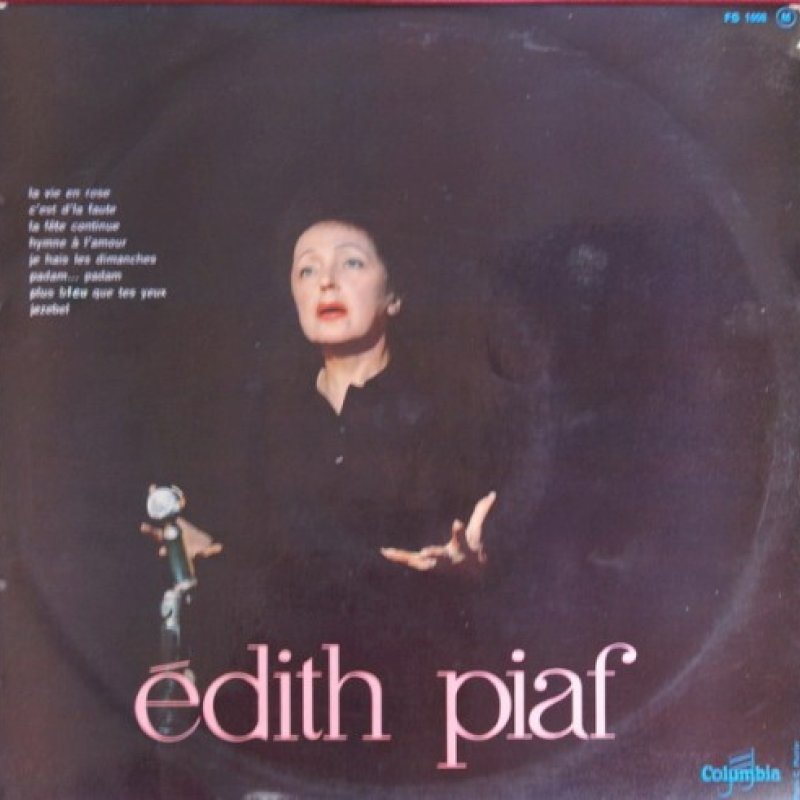
La Vie en rose
Édith Piaf · 1952
Details
Credits
Lyrics Édith Piaf
Music Marguerite Monnot