The story behind
La princesa y el soldado, according to DoReSol
There's something about La princesa y el soldado that feels like a story told through rhythm, not words. It's not just Carlos Vives's accent or the rock that gives it body, but how that pulse becomes the thread connecting two worlds: the one singing and the one listening. The song unfolds like a dialogue where each note seems to answer a gesture, as if the rock pulsing beneath were the soldier's voice and the melody, the princess's. It's not a song that merely sounds—it lives in the air between the audience and the stage, as if each listener completes with their own version what the Carlos Vives of El rock de mi pueblo left open.
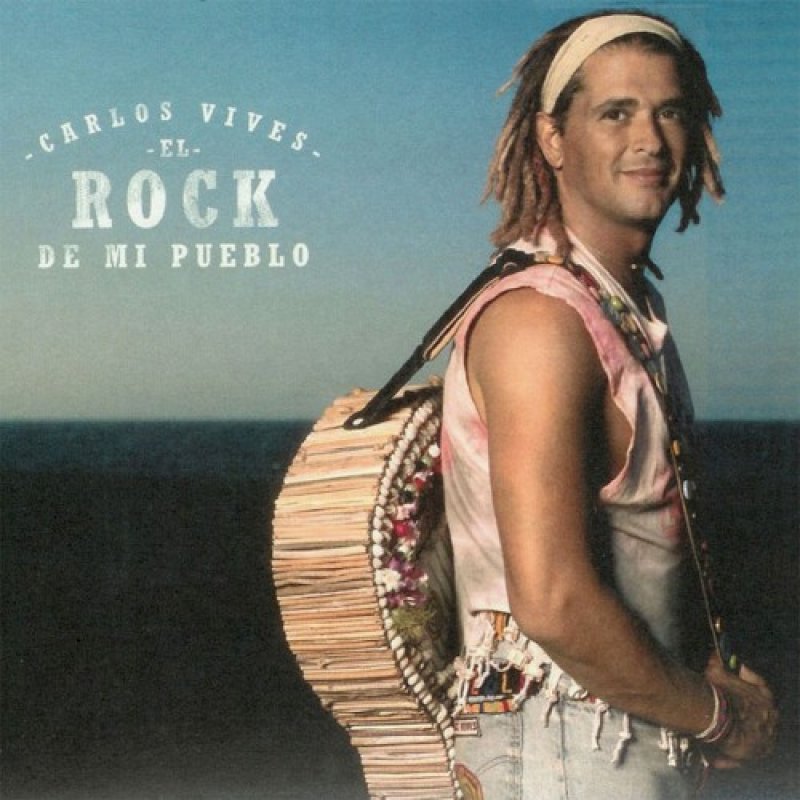
Recorded in 2004, La princesa y el soldado emerged at a time when Carlos Vives's most experimental side blended with the popular without losing its essence. The album El rock de mi pueblo—which in Spanish sounds like Mi pueblo—didn't aim for polished studio perfection, but for the The Rock that beats in the streets. That intention is clear in the song's length: four minutes and forty-five seconds that don't feel like a limit, but like a space where the music breathes. There are no artifices in its structure, just the urgency to tell something that was already there, waiting to be said.
From album

El rock de mi pueblo
Carlos Vives · 2004 · Track 9
Details