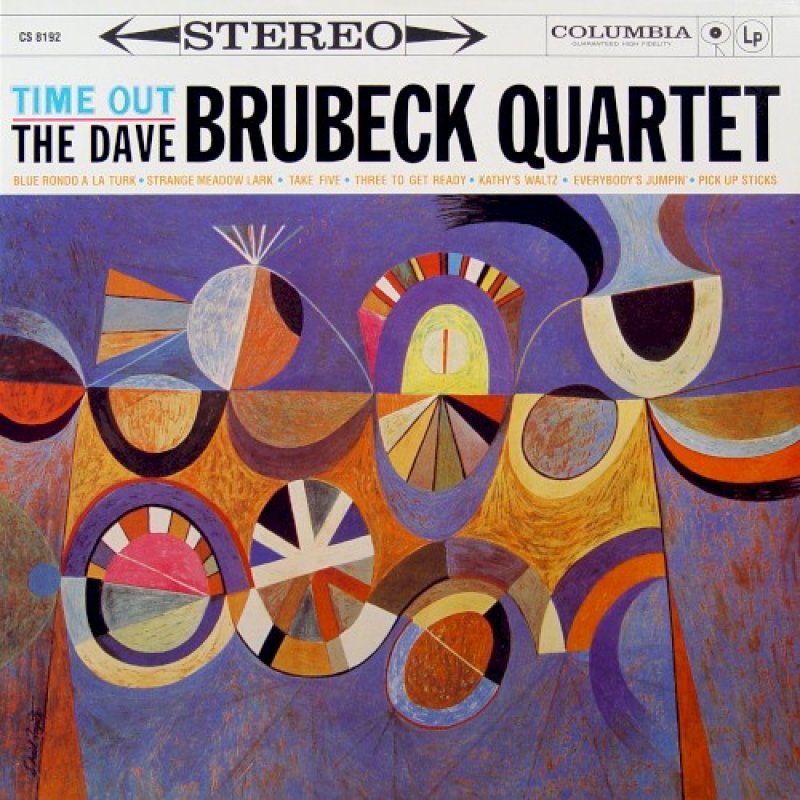
The story behind
Kathy’s Waltz, according to DoReSol
In Kathy's Waltz, the music unfolds with a particular energy, almost as if it were telling us a story through its twists and melodies. What stands out about this piece, and the entire album Time Out, is the way the Dave Brubeck Quartet played with rhythmic structures. Instead of following usual time signatures, they ventured into less explored territories for jazz, such as 9/8, 6/4, and 5/4 patterns. This rhythmic audacity is what gives Kathy's Waltz that distinctive feel, a blend of the familiar and the unexpected that invites repeated listening.
This album, Time Out, was released in 1959 by Columbia Records. It was recorded at the label's 30th Street studios in New York City. The quartet, which by then already had the established lineup of Dave Brubeck on piano, Paul Desmond on saxophone, Joe Morello on drums, and Eugene Wright on bass, set out to create something different. Despite the record label having some initial doubts, the album proved to be a resounding success, reaching number two on the Billboard charts and becoming the first jazz record to sell a million copies. Pieces like Take Five, Blue Rondo à la Turk, and, of course, Kathy's Waltz, were fundamental to this achievement, showcasing the group's ability to create music with unconventional meters that, nevertheless, connected with the audience. The success of Time Out propelled the quartet to continue exploring this musical vein in later albums such as Time Further Out and Time Changes.
From album

Time Out
The Dave Brubeck Quartet · 1959 · Track 5
Details
Credits
Music Dave Brubeck